
What Do Different Postures of Ganpati Idols Symbolise?
-1789709724633_m.webp)
When you step out in the market to buy Ganpati for your house, you may have noticed that the idols look so similar yet so different. The difference lies in the ‘Pose’: sometimes the Ganpati is standing, in some idols he is sitting, and even some idols change the position of his trunk. In Hindu Artform, these are not merely random decoration details, but every ganpati position means something different.
Know Your Ganpati’s Posture
As mentioned above, different Ganpati positions hold a different meaning. Learn the meaning behind Ganesha’s posture and how the right posture creates a harmonious atmosphere for your Ganesh Chaturthi celebrations.
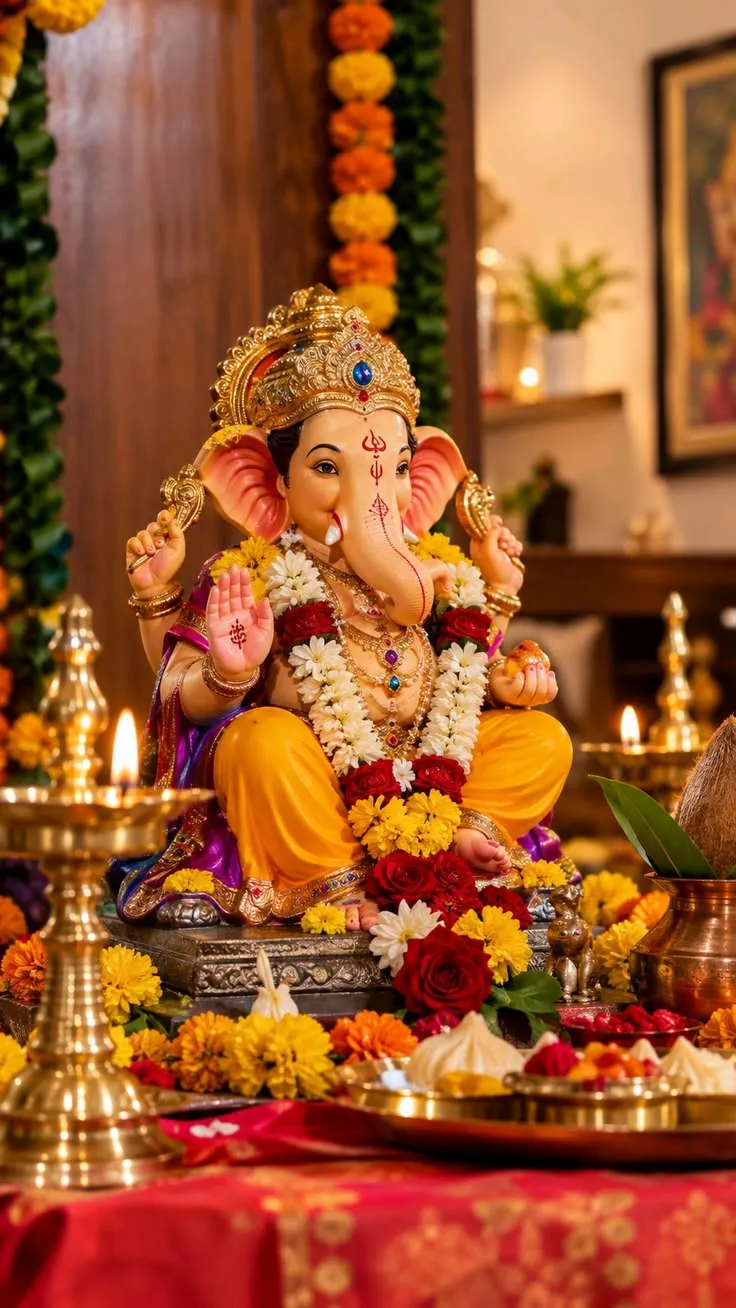
1. Sitting Ganesha (Lalitasana)
The sitting posture of Ganesha is known as Lalitasana, and is the most common form of Ganesh installed in every household. Here, Ganesha is seated comfortably on a lotus or a throne, with one leg folded, and one touching the ground.
The Symbolism Behind Lalitasana: A seated Ganesha represents spiritual devotion, meditation and one foot touching the ground represents strong connection with the earth. A sitting Ganesha reminds us to stay grounded in our daily responsibilities and be spiritually elevated.
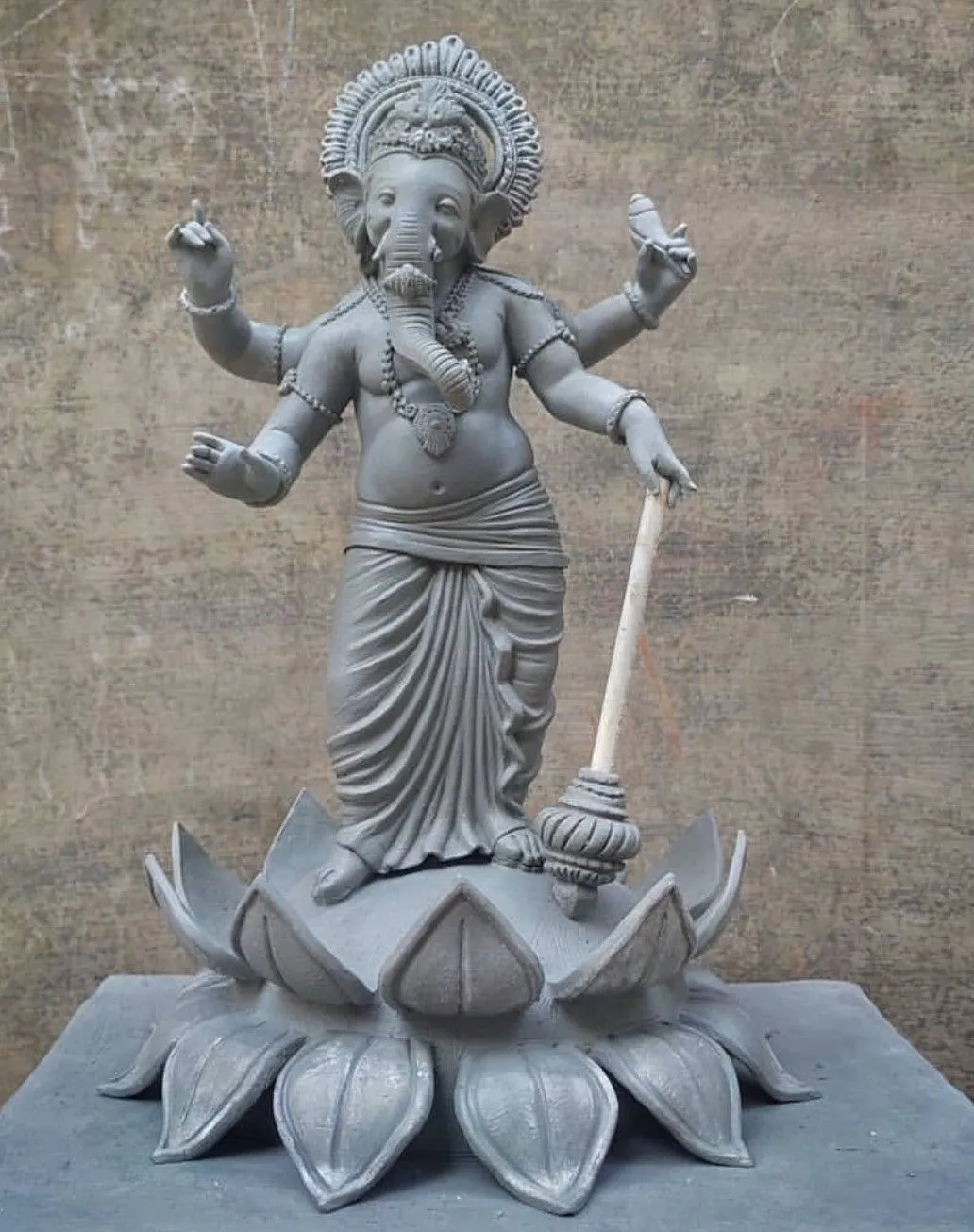
2. Standing Ganesha (Sthanaka Ganesha)
In the Sthanaka pose, Lord Ganesha stands firm, tall, upright showing a strong stance with four arms holding Pasha(sacred noose) and Ankusha (bullhook).
The Symbolism Behind Sthanaka: A standing Ganesha represents vigilance, action, and supreme authority. A standing Ganesha represents affirmative action.
ALSO READ- The Story Behind Ganesha And Mushak: Why the Elephant God Chose a Mouse
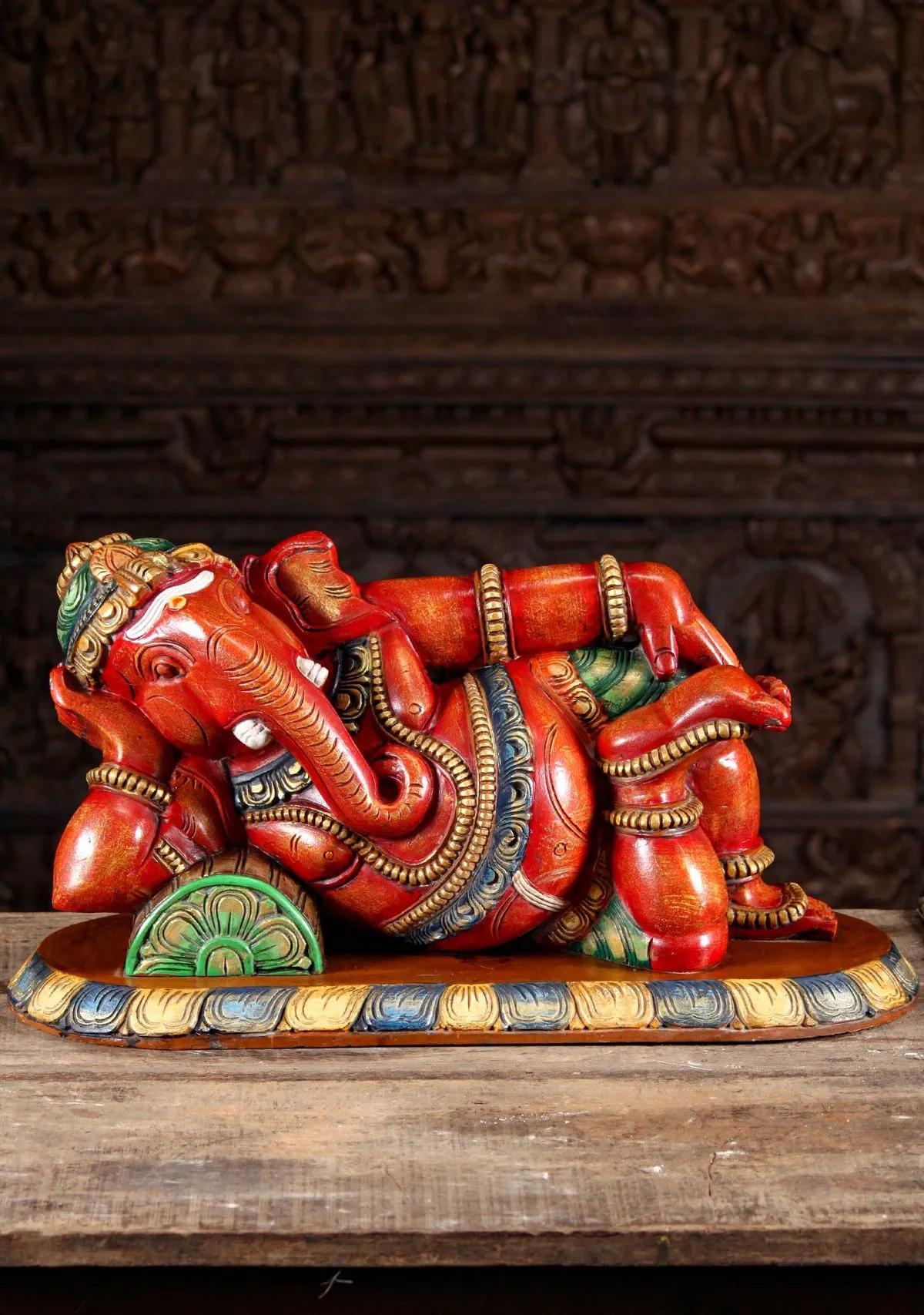
3. Reclining Ganesha (Sayana Ganesha)
A reclining or sleeping Ganesha, where the deity is reclining on one side, resting his head on a pillow, surrounded by luxury and comfort.
The Symbolism Behind Sayana Ganesha: The Sayana Ganesha posture symbolises supreme comfort, luxury and contentment. It represents the phase after which a life’s goal has been achieved.
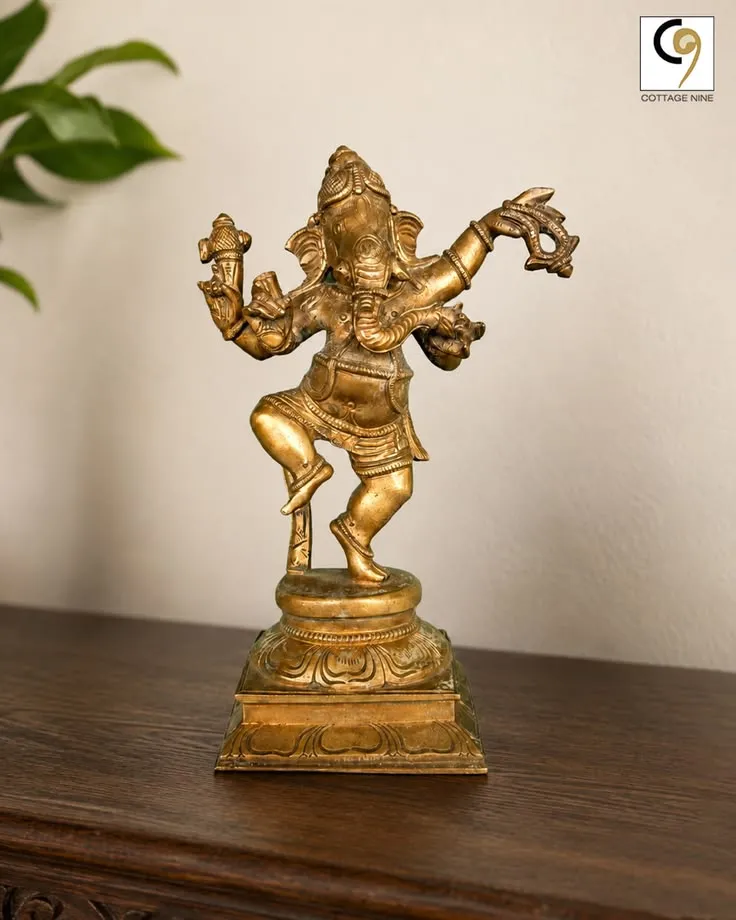
4. Dancing Ganesha (Nritya Ganesha)
Dancing Ganesha represents cosmic enthusiasm, artistic creativity, and pure delight. Inspired by Lord Shiva, Ganesha’s dance symbolises the removal of sorrow through divine joy and celebration.
Mystery Behind Ganesha’s Trunk
Beyond the body posture, the direction of Lord Ganesha’s trunk (Sond) carries immense significance in Vedic traditions.
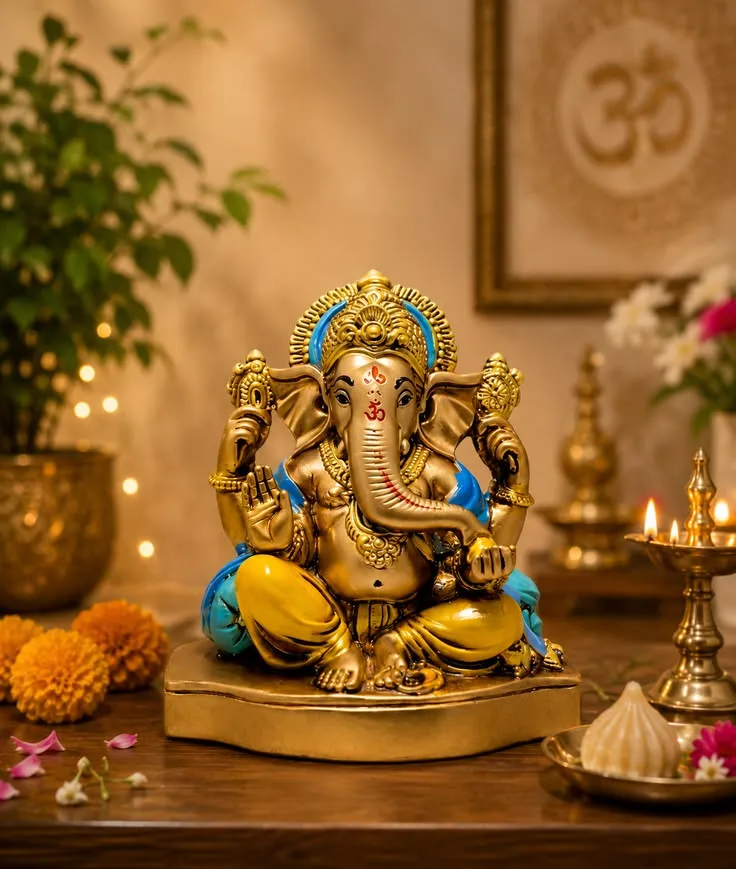
Left-Facing Trunk (Vamavarti Ganesha)
Energy Type: Chandra Nadi (Moon Energy)
Characteristics: Calm, gentle, accessible, and merciful.
Significance: This is the most suitable form for household worship. It does not require extraordinarily strict ritualistic purity and brings warmth, domestic peace, and nurturing energy.
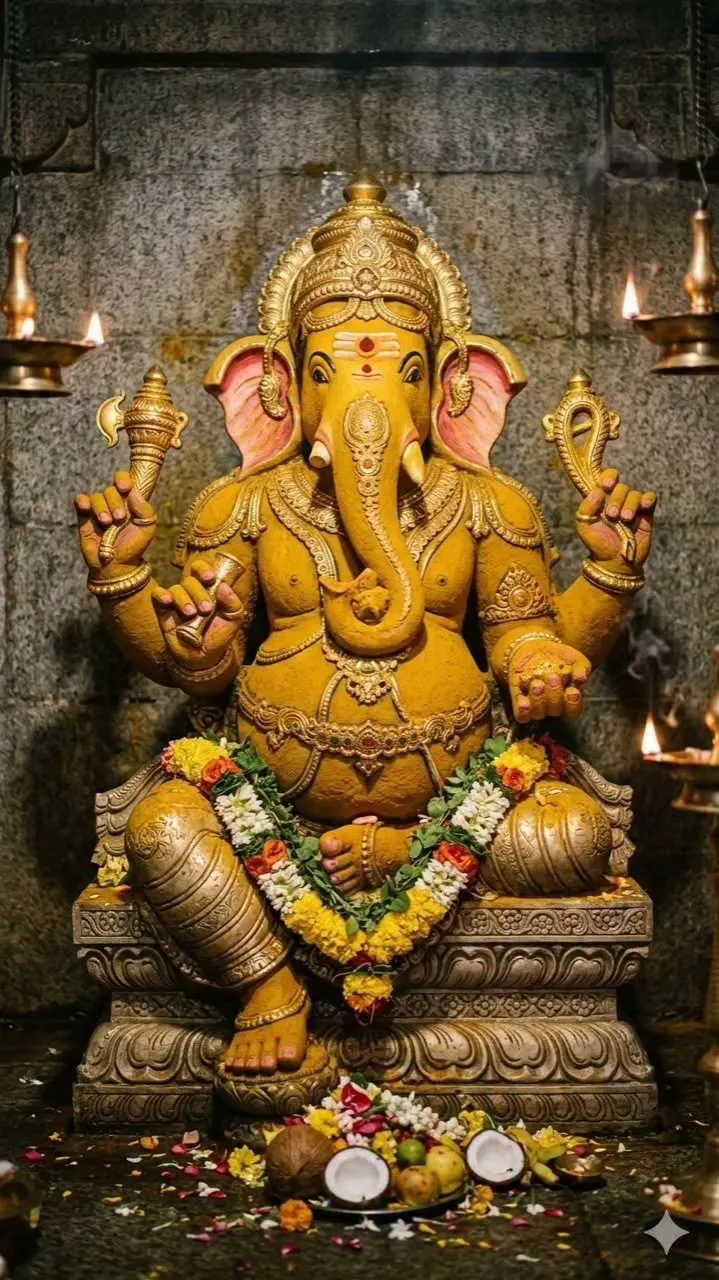
Right-Facing Trunk (Dakshinavarti or Siddhi Vinayaka)
Energy Type: Surya Nadi (Sun Energy)
Characteristics: Powerful, fiery, strict, and quick to respond.
Significance: Most commonly worshipped in temples (such as Mumbai's Siddhivinayak Temple). This form requires strict adherence to daily rituals and purity. When worshipped correctly, it grants fast spiritual accomplishments and obstacle removal.
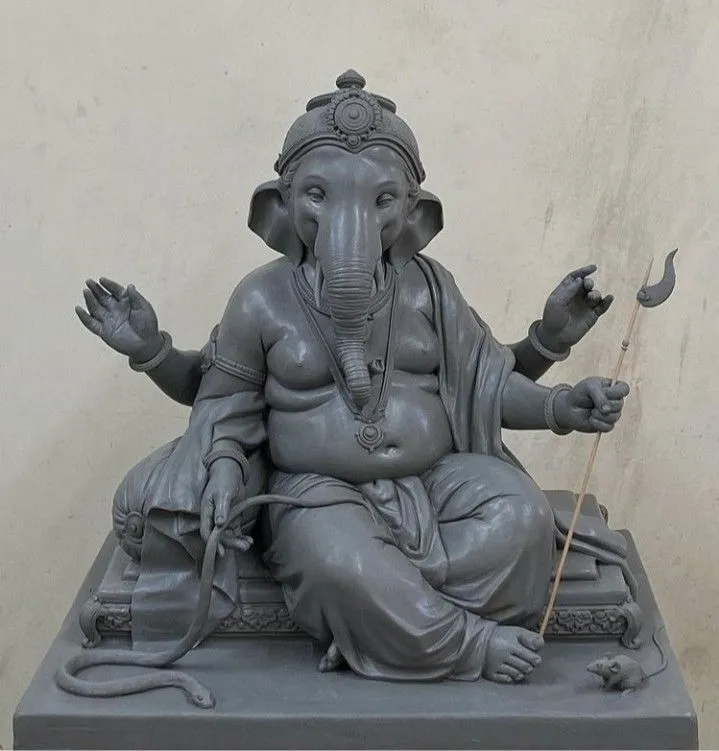
Straight Trunk (Siddhi Ganesha)
Energy Type: Sushumna Nadi (Balanced Central Channel)
Characteristics: Rare, aligned, and deeply spiritual.
Significance: Represents the unification of mind and soul. It is ideal for seekers focusing on deep meditation, yoga, and self-realisation.
Ganesha’s Posture |
Symbolism |
Ideal Location |
Key Benefits |
Sitting (Lalitasana) |
Peace, Balance & Harmony |
Home Altar / Puja Room |
Fosters family stability and calm |
Standing (Sthanaka) |
Vigilance, Action & Power |
Office / Business Premises |
Drives progress and enterprise success |
Reclining (Sayana) |
Comfort, Luxury & Joy |
Living Room / Rest Area |
Attracts contentment and wealth |
Dancing (Nritya) |
Creativity & Artistic Expression |
Studio / Creative Workspace |
Inspires innovation and positivity |
Left-Turned Trunk |
Gentle Moon Energy |
Residences |
Easy worship and peace of mind |
Right-Turned Trunk |
Fiery Sun Energy |
Temples / Specialized Altars |
Rapid results through strict devotion |
Conclusion
By selecting the appropriate Lord Ganesha, you welcome him to your space in a way that truly resonates with your intentions, making Ganesh Chaturthi celebrations rich in purpose and devotion.
(Image Credits: Pinterest)
Stay tuned for more such stories at Her Zindagi.
- Which Ganesha idol posture is best for home worship?
- A sitting Ganesha (Lalitasana) with the trunk turned to his left (Vamavarti) is universally recommended for home altars.
- Can we keep a standing Ganesha idol at home?
- Yes, a standing Ganesha can be placed at home, especially near study desks or home office setups, as it inspires focus, active learning, and determination.
- What does a Ganesha holding a Modak signify?
- A Ganesha carrying a Modak (sweet dumpling) in his trunk or hand symbolises the sweet reward of spiritual devotion, wise living, and the fulfillment of worldly desires.
Our aim is to provide accurate, safe and expert verified information through our articles and social media handles. The remedies, advice and tips mentioned here are for general information only. Please consult your expert before trying any kind of health, beauty, life hacks or astrology related tips. For any feedback or complaint, contact us at compliant_gro@jagrannewmedia.com.