
Sindoor Khela: Why Bengali Women Smear Vermilion On Each Other On Durga Puja Dashami
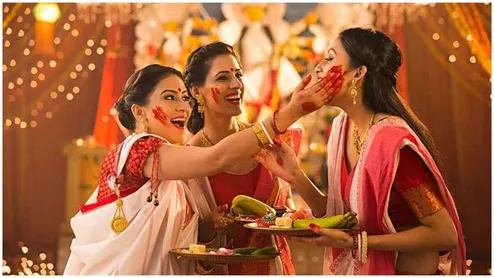
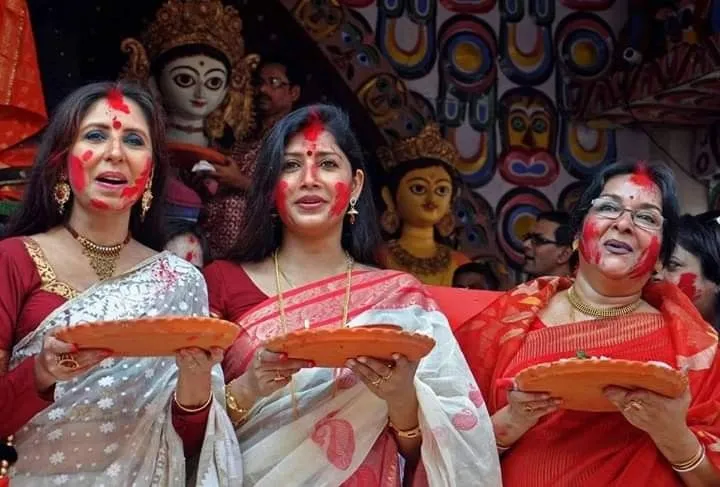
The grand celebration of Durga Puja reaches its peak on Vijayadashmi, a day filled with joy and heartfelt farewell. Amongst the many rituals that take place for the Goddess Maa Durga, her return to Mount Kailash is celebrated with great valour in West Bengal. The ritual known as Sinodoor Khela is one of the highlights of Durga Puja in West Bengal. Sindoor Khela stands for a breathtaking spectacle of colour and devotion. Women come to honour Maa Durga, exchange vermillion (sindoor) and prayers of long life and prosperity.
Literally translates to "Vermilion Game," Sindoor Khela transforms pandals into seas of beautiful red and pristine white. Sindoor Khela is a spectacle, as when the Goddess departs, everyone melts into festive joy and solidarity.
Sindoor Khela 2026
Aspect |
Details |
Event Name |
Sindoor Khela |
Festival Context |
Durga Puja/ Vijayadashmi |
Expected Date 2026 |
20th October 2026 |
Primary Location |
West Bengal, Tripura, and Bengali communities across the country |
Core Significance |
Farewell to Maa Durga, marital bliss and sisterhood |
What Is Sindoor Khela? Understand Its Meaning
At its core Sindoor Khela is a celebratory ritual where women apply vermillion to one another and pray for long life and prosperity. This farewell ritual is performed by women on the last day of Durga Puja i.e. the Visarjan on Vijaydashmi. According to Bengali Hindu Mythology, West Bengal is the maternal home of Goddess Durga. During Durga Puja she comes to her maternal house with her four children – Laxmi, Saraswati, Ganesh and Kartikeya, for five days every year. On the last day of Durga Puja, she returns to her husband Shiva in Mount Kailash.
Bengalis do not treat Maa Durga as mere Goddess, they treat her as their beloved daughter who is returning back to her in-laws. The application of sindoor symbolises marital bliss, prosperity and protection of everyone.
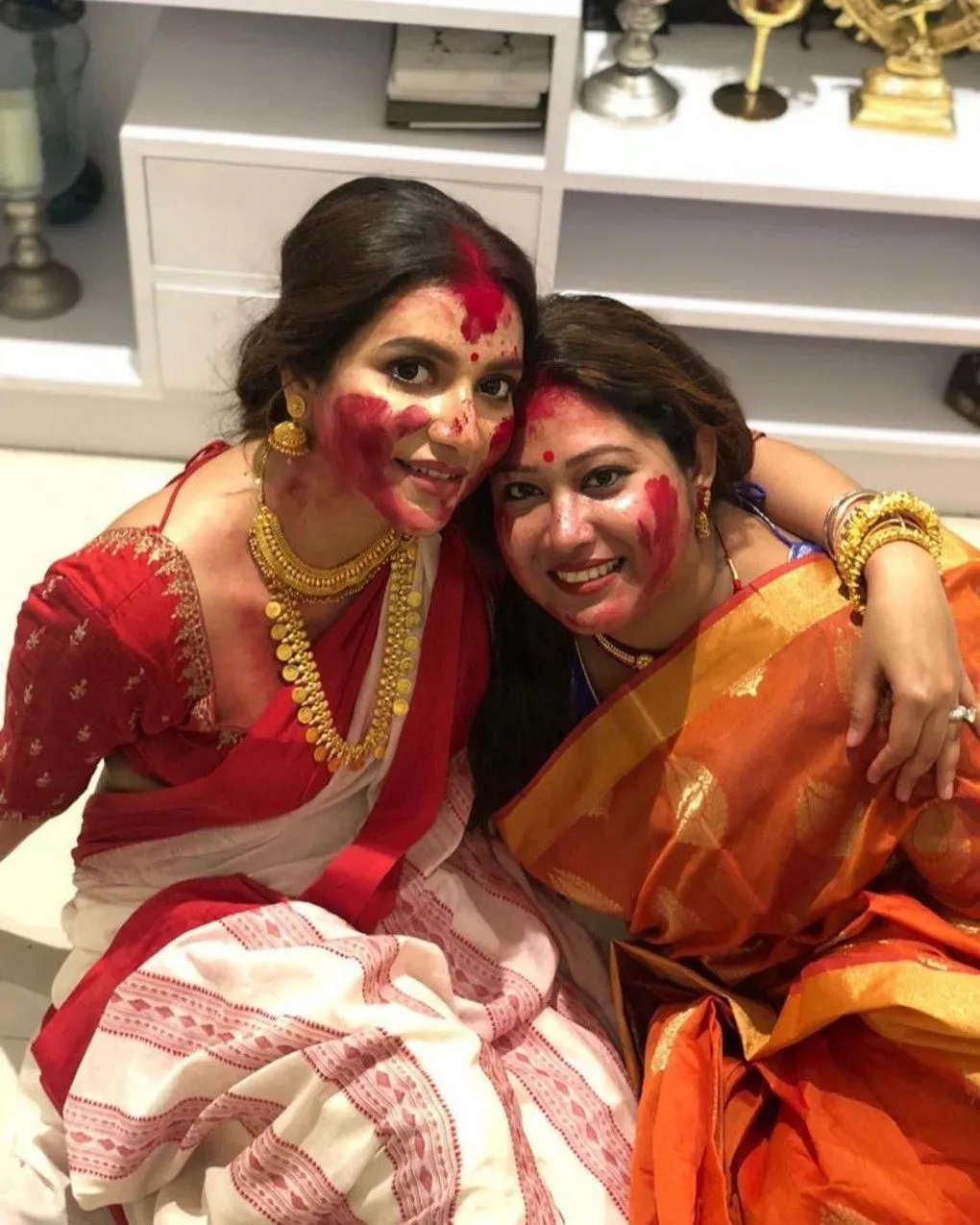
Step-By-Step Tradition Of Sindoor Khela
The celebration of Sindoor Khela follows a sequence of rituals, which represent community bonding and maternal love.
Devi Boron
Before the women start celebrating Sindoor Khela, the senior Bengali women perform Devi Boron, which means farewell to Maa Durga. They hold a grand pujo thali that is adorned with betel leaves, betel nuts, sweets and a diya. Senior women step on to the altar and clean the goddesses face with betel leaves, offer sweets and smear her forehead and crown with sindoor (vermillion).
Offering Sweets And Wishes
The main sweets that are offered to Maa Durga during Durga Puja are rosogullas, sondesh, and kacha golla. The sweets are gently pressed onto her lips, and then the women whisper prayers into her ears which include wishes to her for a safe journey and asking her to protect their families from evil. At the end they invite her to come next year as well by saying, ‘Asche bochor abar hobe’.
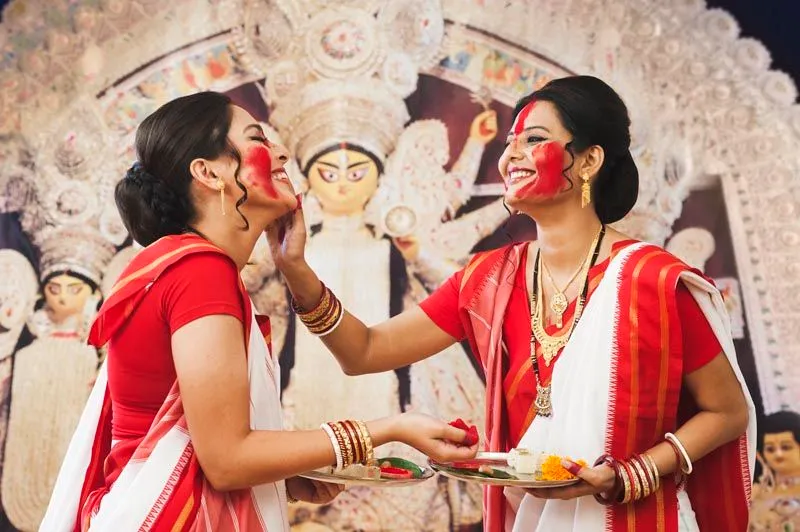
The Vermillion Exchange
Now comes the Sindoor Khela, after the Goddess has been adorned with sindoor, married women apply sindoor on to each other's foreheads and cheeks. They also apply sindoor on Shaka Pola (traditional red and white bangles worn by Bengali women depicting marital status).
What begins as a dignified traditional religious gesture turns into joyful-playful celebration, resembling a red sea of powder, almost resembling Holi.
Who Takes Part In Sindoor Khela? And What Has Changed?
Historically, Sindoor Khela was celebrated by married Bengali women whose husbands were alive. It was known as Sadhaba. The application of sindoor depicted the husband's long life and happiness in the marital household. Unmarried women, widows and marginalised communities of the society were expected to observe from a distance.
The Modern Transformation Of Sindoor Khela
In recent years, Sindoor Khela has undergone a modern revolution and it is recognising the spirit of Durga Puja, which celebrates universal sisterhood, strength and thus, today’s pandals are open to everyone.
Unmarried Women: Young women participate to seek blessings for strength, independence and joyful relationships.
Widows And Divorced Women: Widows And Divorced Women are breaking barriers and participating in the Sindoor Khela and depicting that red is not just a colour of marital life, but also personal empowerment and feminine energy.
Transgender and LGBTQ++: Prominent campaigns and progressive community pandals (such as those in Kolkata and Delhi) now explicitly invite transgender women and sex workers to join Sindoor Khela, affirming that divinity excludes no one.
Today, Sindoor Khela is celebrated not just as a prayer for marital longevity, but as a grand festival of sisterhood, inclusivity, and shared strength.
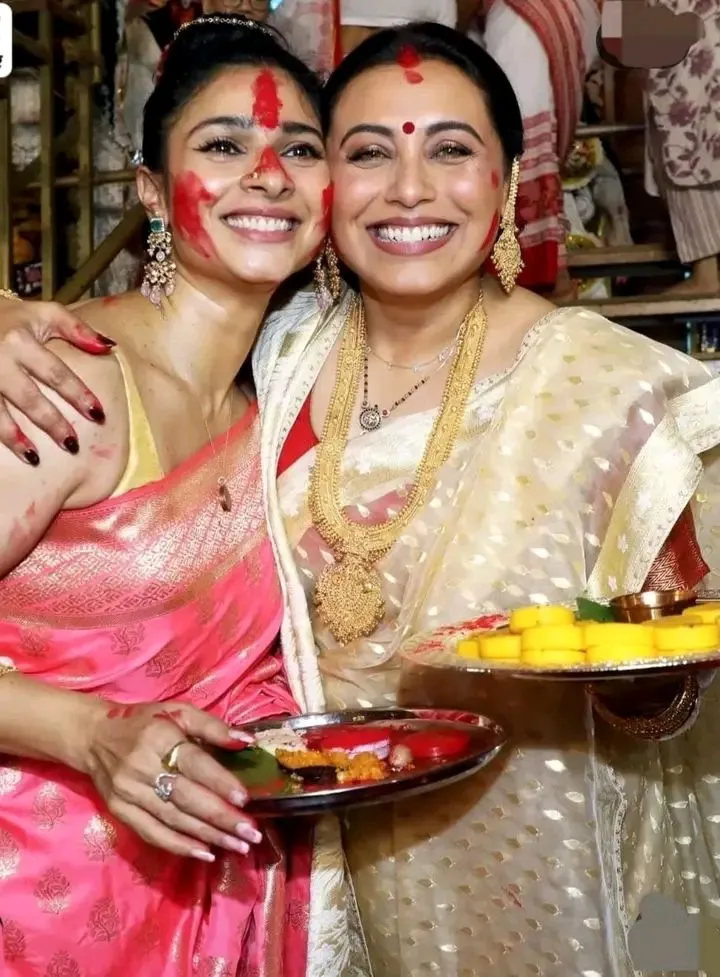
Why Red And White Sarees Are Worn For Sindoor Khela?
If you visit a Durga Puja pandal on Vijayadashami morning, you will witness a striking visual dress code. Women almost universally drape themselves in traditional Garad or Korial sarees—characterised by a crisp white or off-white silk base paired with a solid red border (Laal Paar Saree).
The Symbolism of Red and White
White: Represents purity, peace, and the serene divinity of the Mother Goddess.
Red: Symbolises fertility, power, passion, and the fierce energy (Shakti) required to defeat negativity.
Together, the combination mirrors the dual nature of Maa Durga herself: gentle and nurturing as a mother, yet fierce and indestructible as a protector.
ALSO READ- Durga Puja Pandals In Kolkata 2026: 10 Must-Visit Celebrations For An Unforgettable Experience
Conclusion
Sindoor Khela is far more than a colourful tradition; it is a profound emotional bridge between the divine and the human. It blends the sorrow of saying goodbye to Goddess Durga with the vibrant energy of community unity. As Sindoor Khela 2026 approaches, the ritual stands as a beacon of cultural heritage, welcoming every woman into its warm, crimson embrace.
(Image Credits: Pinterest)
Stay tuned to read more such stories on Her Zindagi.
- When will Sindoor Khela be celebrated in 2026?
- Sindoor Khela will take place on the morning of Vijayadashami, which falls on October 20, 2026.
- Can non-Bengalis participate in Sindoor Khela?
- Yes! Sindoor Khela is a welcoming cultural celebration. Anyone who wishes to pay respect to Goddess Durga and celebrate sisterhood is welcome.
- What type of vermilion should be used for the ritual?
- Due to skin sensitivity, modern celebrations strongly recommend using natural organic sindoor or herbal red gulal instead of synthetic chemicals.
Our aim is to provide accurate, safe and expert verified information through our articles and social media handles. The remedies, advice and tips mentioned here are for general information only. Please consult your expert before trying any kind of health, beauty, life hacks or astrology related tips. For any feedback or complaint, contact us at compliant_gro@jagrannewmedia.com.