
The Invisible Work Of Diwali: Why Women End Up Managing The Festival While Everyone Else Celebrates?

Diwali looks effortless from the outside. The house glows, the sweets are laid out, the rangoli is perfect and everyone is dressed up for the photos. What the photos never show is who got up at 6 am to make it all happen.
In most Indian homes, that person is a woman. Her work doesn't show up on any list, nobody thanks her for it, and by the time the first diya is lit, she is often too tired to enjoy it.
The Work Starts Weeks Before The Festival
Long before Diwali actually comes, someone at home has already started the work. What to clean, what to fix, what to throw away - someone has to decide all of that. The curtains have to be washed, the pooja room needs a full clean-up, and half the lights in the Diwali box are not even working anymore.
And then there's shopping. Gifts for relatives, new clothes for children, sweets for neighbours, dry fruits for office, diyas for every corner. Anyone who has done this knows it's not just shopping. You have to remember who you gifted what last year, who will feel bad if you miss them this time, and where you need to cut down a little because the budget is already stretched. No one writes any of this down. It just stays in one person's head. And most of the time, that person is a woman.
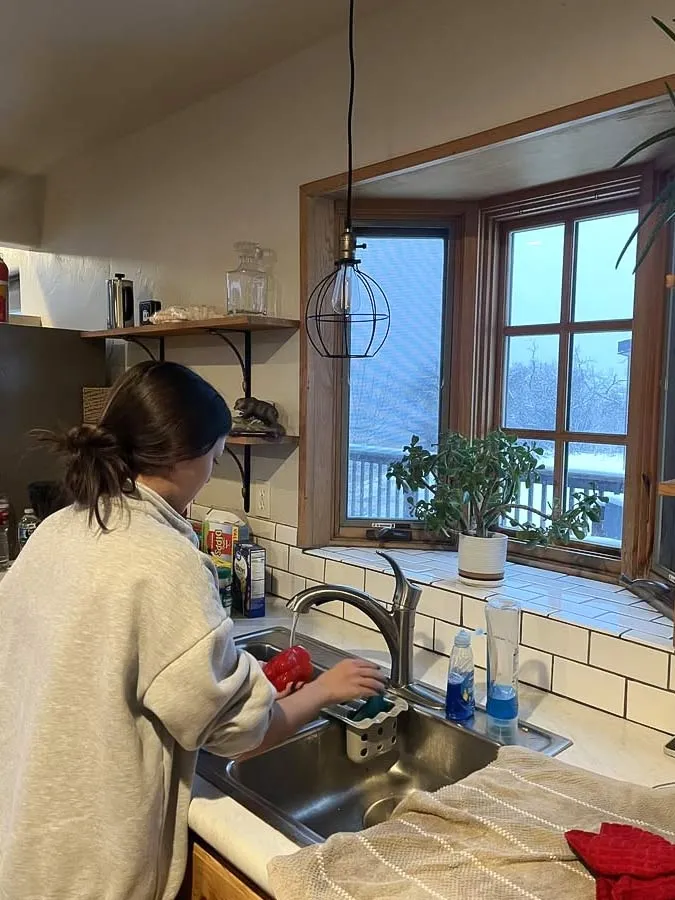
The Mental Load Nobody Counts
This is what is often called the mental load, the quiet, constant work of thinking ahead. Is there enough ghee for the mithai? Did someone confirm the pandit's timing? Are the guests vegetarian or not? Who is picking up grandma?
A man in the same house may happily pitch in when asked. He might hang the lights, carry the heavy boxes or drive to the market. But the key phrase there is "when asked". The planning, the reminders and the tracking of every small detail still sit with her. Helping is not the same as owning the task, and that gap is where the exhaustion comes from.
ALSO READ- Why Are Women Still Missing From Senior Leadership? What The Numbers Say About Modern Career Growth
What The Numbers Say
This is not just a feeling, and the data backs it up. A recent government survey, Time Use Survey, shows that Indian women spend over seven hours a day on unpaid domestic and caregiving work, which is more than twice the time men put in. Women spend 289 minutes a day on unpaid domestic work and another 137 minutes on caregiving. Men spend 88 minutes on chores and 75 minutes on care work.
The survey also found that women spend less time than men on paid work and on self-care. So the hours that go into running a home come straight out of their own rest and personal time.
What makes it more disappointing is that the last such survey, which came out six years ago, showed similar results. Despite campaigns to empower women, the situation has not changed much. Now imagine this everyday gap during Diwali, when cleaning, cooking, shopping and hosting all pile up in the same few weeks.
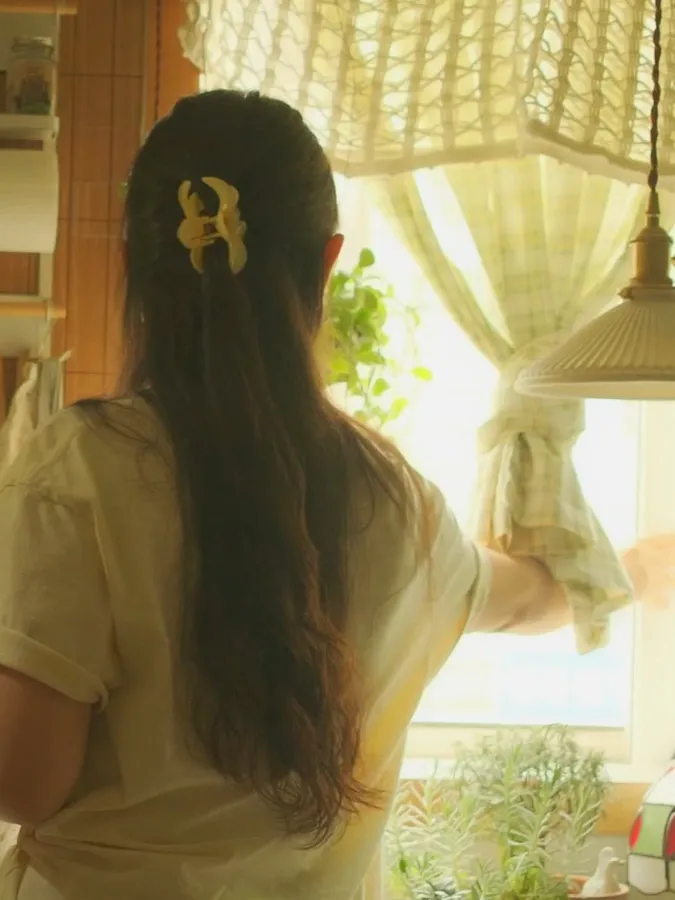
The Kitchen Never Really Closes
Diwali is also a festival of food, and food in most homes still means her. Besan laddoos, chakli, gujiya, namak pare, snacks for every guest who drops in. Many women start prepping days in advance, and then spend the festival itself in the kitchen, refilling plates while others sit and chat.
There is a familiar scene in a lot of houses. Guests arrive, the family gathers in the living room, laughter fills the house and she keeps stepping out to check on the tea or bring another round of snacks. She is technically at the party, but never fully in it.
ALSO READ- Beyond 'Main Hoon Na': Why Every Woman Needs to Own Her Financial Life
When She Works And Still Does It All
For working women, the load doubles. Office deadlines do not pause for Diwali. Many women handle a full day at work, then come home to clean, cook and organise, while still being told that the festival is "such a happy time".
It is not that these women do not enjoy Diwali. Most of them love it deeply. They love the lights, the family and the traditions. But enjoyment and exhaustion can exist together, and pretending otherwise helps nobody.
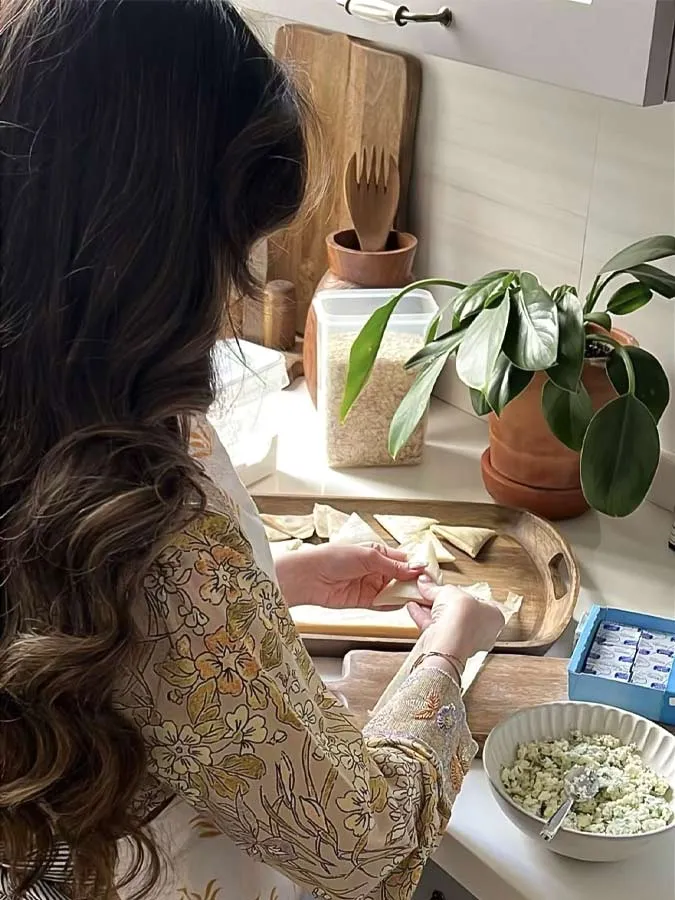
Why Does It Keep Happening
A big reason is habit. Generations of women before us ran the festival this way, and it slowly became the default. Nobody sat down and decided that she should do it all. It just happened, year after year, until it looked normal.
There is also the pressure of being the "perfect" host, daughter-in-law or homemaker. Many women feel that if something goes wrong, the blame will land on them, so they take on more to avoid it. Praise comes when everything is smooth. Questions come when it isn't.
What Can Actually Change
The good news is that small shifts make a real difference, and they do not need big arguments.
Start by making the work visible. Sit down as a family and list everything that needs to happen, from cleaning and shopping to cooking and hosting. Once it is written out, the sheer size of it becomes hard to ignore.
Then hand over full ownership, not just tasks. Let someone else plan the decor from start to finish. Let another person handle the gift list, the budget and the buying. When one person owns a job completely, she does not have to remind, check or fix it later.
Kids and teenagers can pitch in too. Rangoli, diya arranging and setting the table are things everyone can do, and it teaches the next generation that the festival belongs to all of them.
It also helps to lower the bar a little. Buying a few sweets instead of making everything at home is not a failure. A simpler setup does not make Diwali any less special.
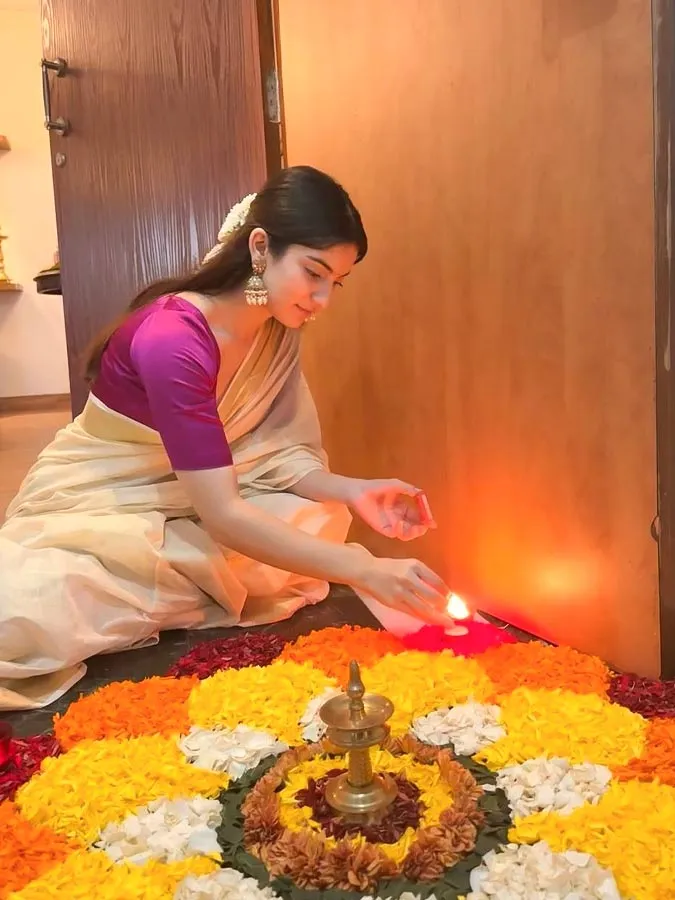
Conclusion
Diwali is supposed to be about light, joy and being together. And that should include the woman who is holding everything together. This year, just look around once. See who is still on her feet while everyone else is sitting and chatting. Take that plate from her hand. Say thank you, and actually mean it. Ask her to sit down with everyone. And this time, let her stay seated.
The festival will still happen. The house will still shine. And for once, she might get to enjoy it too.
(Image Credits: Pinterest)
To read more such stories, stay tuned to Her Zindagi.
- Why do women do most of the work during Diwali?
- In most Indian households, festival planning, cleaning, cooking, shopping and hosting has traditionally been seen as women's responsibility.
- What is the invisible work or mental load during festivals?
- Invisible work is the constant thinking, remembering and planning that keeps a festival running - like making shopping lists, remembering gift choices, managing budgets, checking pooja timings and coordinating guests.
- How can families share Diwali work equally?
- Families can share work by listing all Diwali tasks together, giving full ownership of tasks instead of just helping, involving kids in simple jobs like rangoli and table setup, and keeping celebrations simpler by buying some items instead of making everything at home.
Our aim is to provide accurate, safe and expert verified information through our articles and social media handles. The remedies, advice and tips mentioned here are for general information only. Please consult your expert before trying any kind of health, beauty, life hacks or astrology related tips. For any feedback or complaint, contact us at compliant_gro@jagrannewmedia.com.