
From Jagannath’s Chariots To Modern Homes: Inside Odisha’s 1,000-Year-Old Pipli Applique Art
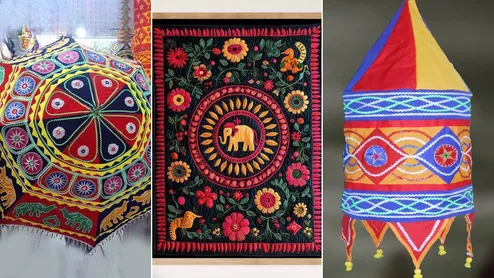
Pipli is a village a few kilometers from Odisha’s capital, Bhubaneswar. A special thing about this village is that all the shops and houses have one thing in common and i.e. the 1000-Year-Old-Applique work (also known as Chandua), which gives it a loud burst of colours. In this village, artisans come from almost every home, working to sustain the 12th-century artwork tradition. Know everything about GI Tag-certified textile art, from its history to intense colour blocking, sacred motifs, hand-stitching, and evolution in modern homes.
The Ancient Roots of Pipli Applique: A Divine Connection to Jagannath
This artwork was established in the 12th century by King Antavaraman Chodaganga Deva, the King of Orissa. He commissioned this artwork for the construction of the famous Lord Jagannath Temple in Puri. This tradition began when kings and nobles from Odisha patronised special tailors to design ceremonial canopies (chandua), umbrellas, flags, and ritual covers for Lord Jagannath's annual rath yatra.

Crafting History: Understanding the Unique Techniques of Pipli Art
Originating from the village of Pipli in Odisha, Pipli art is a centuries-old appliqué craft that tells stories through fabric. Artisans layer vibrant coloured cloth cut into intricate motifs of animals, flowers, and mythological figures onto a base fabric, securing them with a distinct straight stitch and mirror work. The technique, traditionally called Chandua, uses no machine; every piece is hand-stitched with precision. What makes it unique is its bold colour contrast and its roots in Lord Jagannath's temple rituals, where it was used for canopies and umbrellas. Today, it thrives as lampshades, bags, and wall hangings.
From Temple Garments to Home Decor: The Evolution of Pipli Applique
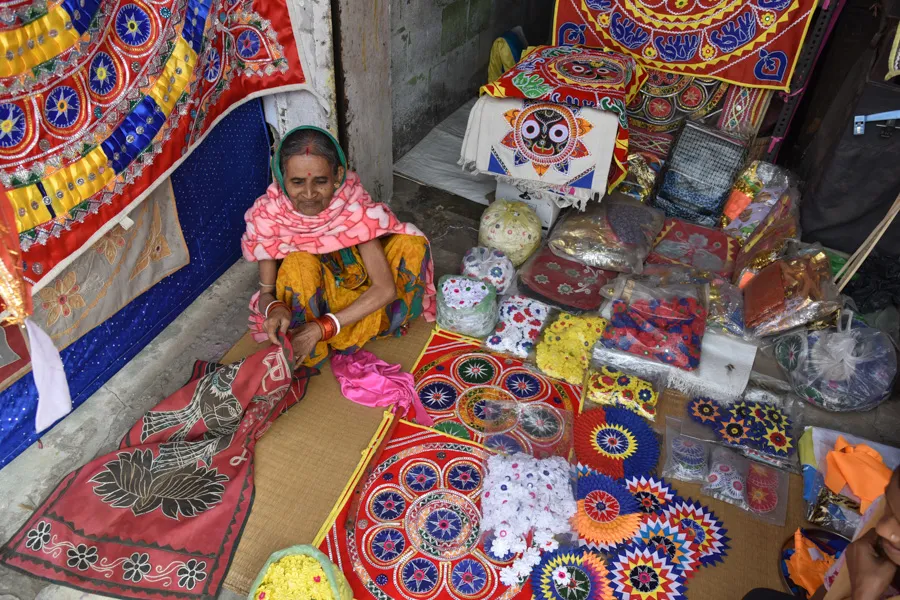
Over generations, Pipli Applique has expanded its horizons from temple garments to home decor. Artisans are crafting home decor items beautifully showcasing the geometric and bold colours of Pipli needlework.
View this post on Instagram
Popular Pipli Work Home Decor Items
- Wall Hangings and Chanduas: Large geometric or mythological panels featuring motifs of Lord Jagannath, Radha-Krishna, elephants, and peacocks.
- Lampshades: Multi-shade fabric lampshades cast a vibrant glow when kept in homes.
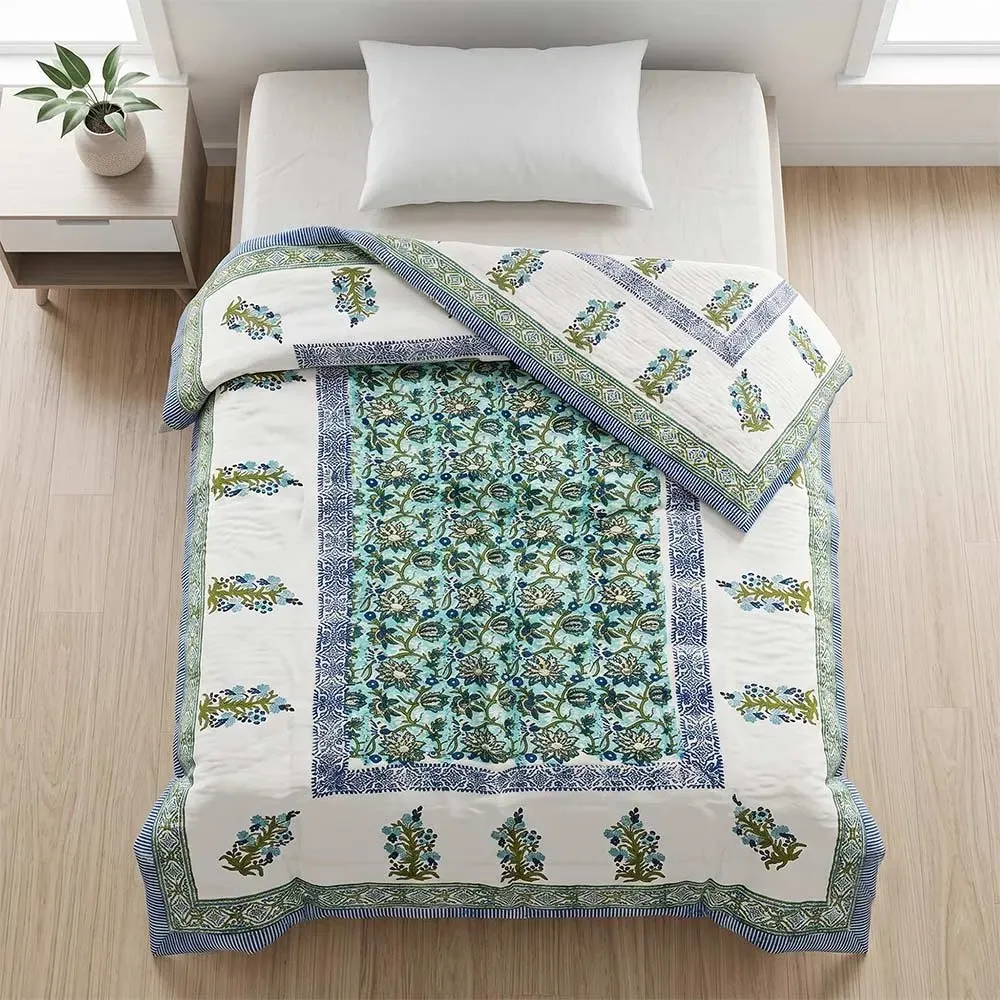
- Cushions and Bedsheets: Pipli Applique work in cushions, bedsheets, and table runners turns modern homes into bold, striking spaces.
When Did Pipli Applique Work Receive a GI Tag?
Pipli Applique Work received its Geographical Indication (GI) tag in 2008. GI Tag is very helpful in preserving the rights of local artisans. It prevents producers outside the state of Odisha from copying the name, design, and brand. In the end, it encourages the local tailor communities and cooperatives in Pipli to command a fair market price for their work.

The Future of Pipli Applique: Innovation, Challenges, and Global Recognition
The survival of Pipli Applique depends heavily on bridging the gap between tradition, heritage, and commercial viability. The GI tag further provides protection to the art and the artists. To take the Pipli Applique work to a global level, there is a need to establish high-end designer collaborations.
(Image Credits: Indian Craft Archives)
Stay tuned to read more such stories on HerZindagi.
- Why is Odisha’s 1,000-Year-Old Pipli Applique Still Relevant in Contemporary Design?
- Pipli Applique work is still relevant today because its bold colours, handcrafted appeal, and versatile motifs seamlessly blend heritage with modern minimal and maximalist interiors.
- What are the Secrets Behind the 1,000-Year Legacy of Pipli Applique Art?
- Its legacy lies in hand-stitched appliqué techniques, natural fabrics, and designs passed down through generations, rooted in Jagannath temple traditions.
- Is Pipli Applique Art a Sustainable Choice for Modern Home Furnishings?
- Yes, it is sustainable as it uses upcycled fabrics, hand-stitching over machines, and supports eco-friendly, slow-made craftsmanship.
Our aim is to provide accurate, safe and expert verified information through our articles and social media handles. The remedies, advice and tips mentioned here are for general information only. Please consult your expert before trying any kind of health, beauty, life hacks or astrology related tips. For any feedback or complaint, contact us at compliant_gro@jagrannewmedia.com.