
Durga Puja Saree Shopping: 5 Things To Check Before Buying A Bengali Saree
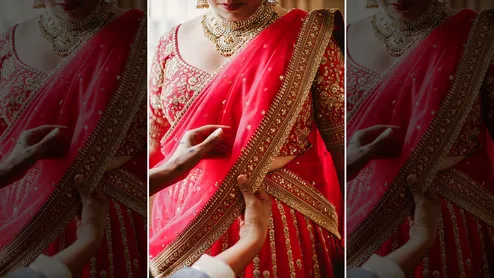
The art of wearing the Bengali saree is an intrinsic part of Durga Puja festivities, lending unparalleled gracefulness to morning Anjali ceremonies and night-time pandal hopping. Right from breathable handloom cottons to luxurious silk sarees, the Bengali sarees are renowned for their traditional weaving expertise, their distinctive lal paar, and detailed weaving patterns. But in the midst of thousands of choices inundating both local and online stores in the festive fervour, choosing an authentic piece becomes tricky. Here are five important things that need to be checked before buying a Bengali saree for Durga Puja 2026.
5 Things To Check Before Buying A Bengali Saree For Durga Puja
1. Check The Fabric And Weave
Selection of fabrics is based primarily on comfort, the climate of the region, and the occasion:
Cotton Taant and Dhakai Jamdani: Best for a visit to a pandal in the afternoon with humid weather. Cotton Taant is light and stiff, whereas Jamdani has intricate motifs made of muslin fabric through weaving, not the backing threads.
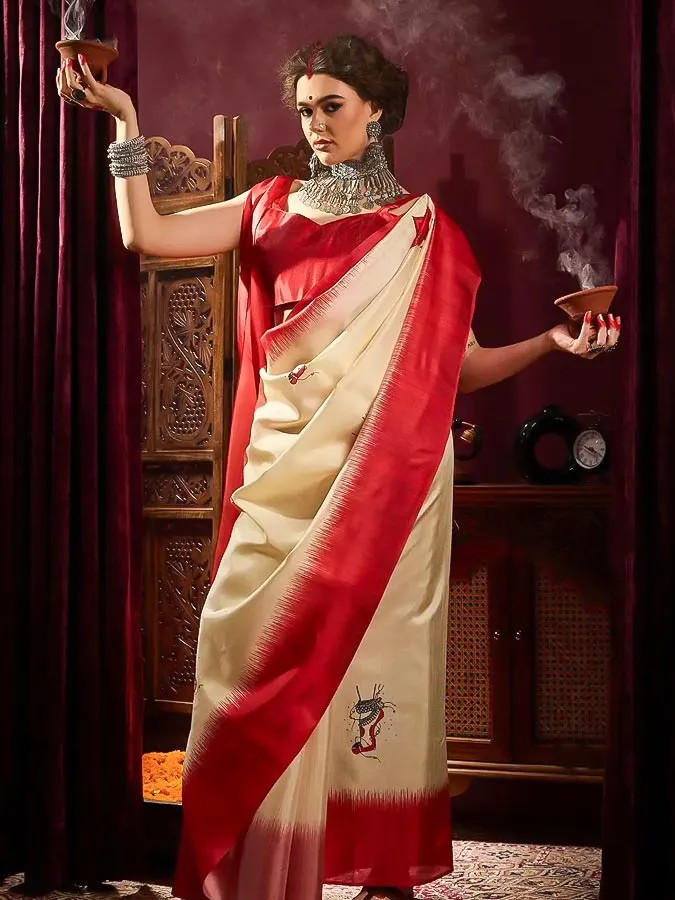
Garad and Korial Silks: With a red-coloured border on the plain white silk fabric, these fabrics make great choices for prayer on Maha Ashtami morning and Sindoor Khela.
Baluchari and Tussar: Pallu with mythological narratives in silk, best suited for evening events and Nabami dinner.
2. Look At The Border And Traditional Motifs
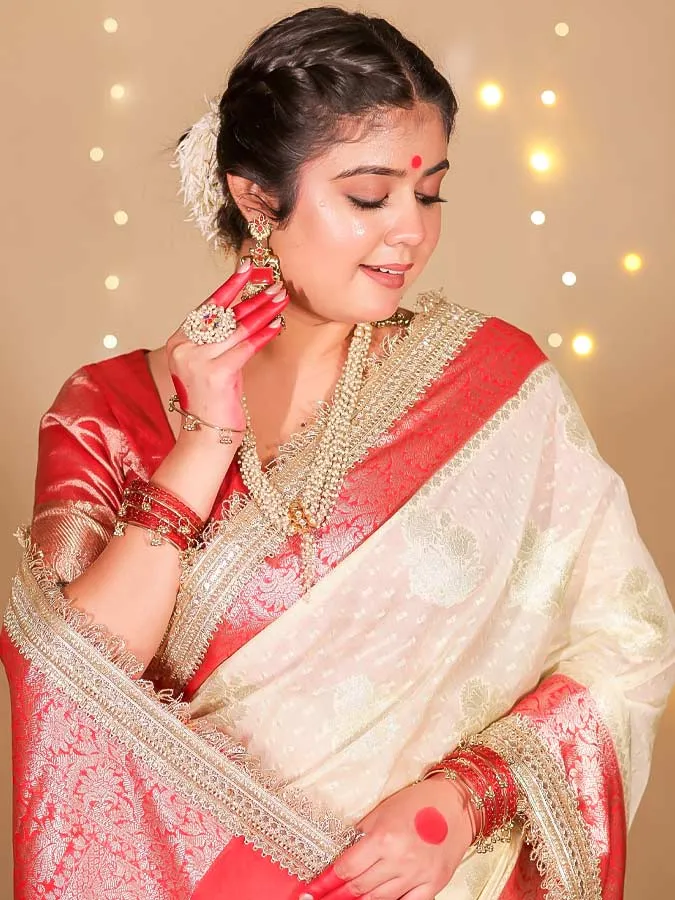
The border creates the character of the Bengali saree. The Lal Paar (the red border), which goes with the white or cream saree fabric, is the most classic festival saree combination of all. Study the designs of Kalka, Pari, and Dhaner Chhuch. Note that heavy borders give an elegant appearance to your evening attire, but the thin borders provide comfort while walking.
ALSO READ- Rashmika Mandanna Redefines Ethnic Fusion In Amit Aggarwal’s Strapless Couture with Banarasi Drape
3. Verify The Saree's Quality And Authenticity
Remember not to assume that all ‘Bengali handloom’ sarees are actually handloom sarees:
Check the Back Side: Authentic handloom sarees such as Jamdani will always have a neat back without any thick and tangled threads. The machines use either cut threads or synthetic material on the back.
Check for Weave Uniformity: Small inconsistencies in the weave are signs of handmade sarees, while machine-made sarees have a uniform weave. When you buy pure silk sarees, make sure they have a Silk Mark or Handloom Mark label.
4. Check The Colour, Finish And Drape
Examine the saree under natural light to check that the dyes have been applied uniformly and there is no patching or running of colours. Open up an area and drape it over your shoulder, where handloom cotton sarees should be soft and not stiff with starch. Also examine the degree of transparency and the flexibility of the pleats.
5. Consider Comfort, Budget And Maintenance
Fix your budget before buying. Though silk Baluchari and Jamdani sarees may need dry cleaning and are more expensive, Taant sarees made from cotton are affordable and can be easily washed at home. Choose a saree that makes you feel relaxed while sitting or moving around in it.
ALSO READ- Karwa Chauth 2026: Recreate Alia Bhatt's Hot Pink Banarasi Saree Look For Under Rs 5,000
Conclusion
A saree from Bengal is not just clothing but also a form of art. It can be easily identified through an inspection of the weaving of the cloth, the motifs along the border, authenticity signs, and the flexibility of the saree. You can buy a beautiful saree for Durga Puja 2026.
Image credits: Freepik
To read more such stories, stay tuned to Her Zindagi.
- Q1. What is the difference between a Garad saree and a Korial saree?
- Ans: Garad sarees feature plain off-white silk with a simple red border, while Korial sarees feature a richer, heavy red border with intricate gold zari work on pure white silk.
- Q2. How can I tell if a Dhakai Jamdani saree is real or fake?
- Ans: Authentic handwoven Jamdani motifs are woven manually into the fabric, making the back look neat and smooth, whereas powerloom replicas have messy, cut threads on the reverse side.
- Q3. Are Taant sarees comfortable for all-day pandal hopping?
- Ans: Yes, genuine cotton Taant sarees are extremely lightweight, breathable, and ideal for staying cool during warm festive afternoons.
Our aim is to provide accurate, safe and expert verified information through our articles and social media handles. The remedies, advice and tips mentioned here are for general information only. Please consult your expert before trying any kind of health, beauty, life hacks or astrology related tips. For any feedback or complaint, contact us at compliant_gro@jagrannewmedia.com.