Welcome to Herstory, a celebration of all the fabulous women who have shattered glass ceilings and smashed expectations to make the world a better place.
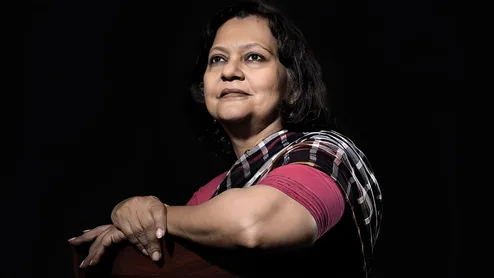
Indian social entrepreneur Sumita Ghose runs Rangsutra, a community-owned business that bridges the chasm between rural craftsmen and international retail markets. By granting the artisans equity, fair remuneration, and consistent access to the market, Sumita Ghose has been able to turn Indian craftsmanship into a sustainable business venture by creating value for many rural Indian families.
Who Is Sumita Ghose?
Sumita Ghose is a graduate economist and social entrepreneur who has devoted her life to the cause of rural development and healthcare in Rajasthan. After facing personal loss and gaining experience through working in the field, she felt the need to deal with the economic vulnerability of the craftsmen living in the rural areas.
What Is Rangsutra And How Did Sumita Ghose Start It?
Rangsutra is a craft-based social enterprise established in 2006. Finding it hard to obtain loan facilities from banks due to a lack of collateral, Ghose opted for a radical move where she invited rural weavers and embroiderers to become co-owners of the firm.
1,000 artisans contributed an amount of ₹1,000 each as seed capital. Currently, the company is owned mostly by artisans and serves as a mediator providing handmade products to leading firms like Fabindia and IKEA.
How Rangsutra Is Empowering Rural Artisans
Year-round employment opportunities, fair salaries, skills training, and design interventions allow Rangsutra’s traditional crafts to compete with mass-produced items.
Since the workers are shareholders in the company, they can take part in the company’s decision-making process and become business owners rather than underpaid piece-rate workers.
Sumita Ghose’s Journey As A Social Entrepreneur
Entrepreneurship by Ghose is a process that is defined by resilience and social justice. In contrast to the traditional charity model based on grants, Ghose showed how it is possible for businesses to prioritise human dignity and still be successful.
Her concept created an independent bridge between the villages’ craft clusters and the outside world.
How Rangsutra Supports Women Artisans
The number of women artisan-shareholders in Rangsutra is over 70%. Through the creation of doorstep working models and craft centres in the community, Rangsutra is able to ensure that rural women earn incomes independently, have financial empowerment, and save money to educate their children without having to relocate from their villages. This helps to elevate their social standing.
ALSO READ- Who Is Neha Arora? Meet The Founder Making Travel Barrier-Free For Differently Abled People
Conclusion
The business model of Sumita Ghose through Rangsutra shows that commercial success and profound social change can coexist. Through the empowerment of the people who are creating the art by giving control of the business into their hands, she has created a sustainable way to maintain Indian culture.
Image credits: Instagram
If you liked this story, then please share it. To read more such stories, stay connected to HerZindagi.