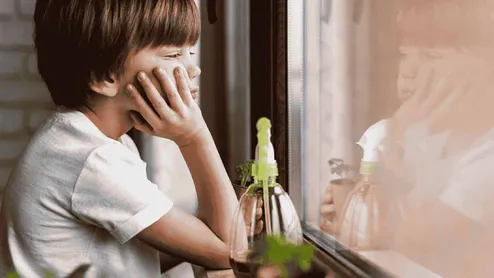
Although the problem involves feelings of being uncomfortable, the impact that is caused by trauma can stretch far beyond the borders of the psychological aspect. Unresolved trauma will affect the body's stress response systems, and even years from now, it can be evident in the emotions, physical and behavioural aspects of one’s life. Even though most children and adults do not usually understand the connection between past experiences and the present, proper knowledge about it will be very beneficial to one's well-being.
Understanding The Invisible Scars That Shape Our Health And Behaviour
When you feel totally overcome, scared, lose control or feel unsafe physically or mentally, the event or circumstances are seen as traumatic. It could be through something as simple as someone bullying or neglecting you to losing a loved one, parental conflict, or witnessing a traumatic event such as an accident or violent act. We’re all very different; what one of us may find traumatising might be something someone else can easily cope with.
Post-traumatic symptoms: When you carry with you a traumatic event, you don’t process it fully, so over time the trauma carries with you throughout the years to affect the person in numerous ways in later life, including anxiety, depression, numbing of emotions, lower self-confidence, not trusting people, and difficulty in personal relationships. Trauma can also be held within the body as chronic stress that hasn’t been processed carries into our systems and may contribute to stress disorders, such as headaches, digestive complaints, lack of sleep, fatigue, tense muscles, anxiety and other stress-related symptoms of the body.
ALSO READ- Why Sitting Has Become The New Smoking: How Poor Posture Is Quietly Affecting Urban India
How to Help Your Child Deal With School Bullying
The emotional effects of bullying on children’s sense of self-confidence, self-worth, and sense of safety could be extreme. It’s always best for kids to talk openly to a trusted adult; parents, teachers, school counsellors, etc, instead of handling it by themselves. Help them understand that the blame for the bullying lies with neither of them, and that they are brave for asking for help.
Working together with schools and parents helps prevent the impact of bullying, foster an environment where kids can safely grow their sense of self-confidence, develop nurturing friendships, practice being assertive and so on, all skills to cope and build resilient children. Sometimes professional help might be needed when the child experiences some form of emotional suffering.
How to Spot Early Childhood Trauma
Emotionally distressed children are unable to tell you verbally that they are hurting and instead end up using behaviours that include withdrawal from life, temper outbursts, aggression, mood swings, sleep disturbances, insecurities, clinginess, regression at school and backwardness. Supporting children to be aware of emotional distress and to take action sooner will help them avoid developing emotional, behavioural, and mental problems in the future. Some of the things you could do to support them are as follows: Children are able to speak openly with you when there is someone in their life whom they can trust. Listen without judging and encourage them to verbalise how they feel, acknowledge their emotions and don’t use statements as an address; ask questions.
According to Archana Singhal, Counsellor and Family Therapist and Founder of Mindwell Counsel, “Not all trauma fades with time. Leaving the emotions unhealed in a person - child or adult - can contribute to physical or psychological problems for years. By acknowledging the trauma early, with compassionate language and in a safe environment, kids can learn to navigate the event healthily, and gain resiliency.”
Image credits: Freepik
If you liked this story, please share it. To read more such stories, stay connected to HerZindagi.