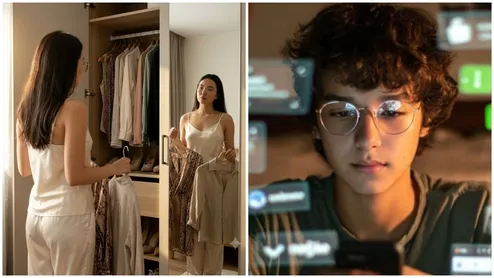
What begins as an ordinary concern about appearance can become more concerning when young people are drawn into online communities that connect insecurity with resentment, entitlement and blame towards women, according to Clinical Psychologist, Dr Jennifer Menon, founder of Mind in Mind Psychology.
What Is Looksmaxxing?
Looksmaxxing refers to attempts to maximise physical attractiveness through grooming, fitness, styling and, in some cases, more extreme appearance changes. She stresses that looksmaxxing itself is not inherently harmful: wanting to look better, get fitter or feel more confident is completely normal. The concern is when that insecurity becomes connected to an online narrative that tells a young man his appearance determines his worth, that women are responsible for his rejection, or that he is entitled to female attention.
How Does Looksmaxxing Become Misogynistic?
Sometimes looksmaxxing overlaps with the broader manosphere, where discussions about masculinity, dating and self-improvement can intersect with misogynistic beliefs. She highlighted ‘The University of Melbourne's June 2026 report Misogyny, Online Radicalisation, and Youth Extremism in Australia’. According to the report, it was found that among teenage boys, approximately one in three believed attempts to give women equal opportunities had gone too far, while almost one in four agreed feminism was damaging society and should, if necessary, be resisted with violence.
Researchers linked misogynistic views with engagement with manosphere content, pornography and online dating. Teachers also reported students repeating the language of influencers such as Andrew Tate.
What Should Parents Do?
Dr Menon says parents should approach the issue with curiosity rather than shame. If a teenager is worried about how he looks, that is an opportunity for connection. Ask what he is watching, what he thinks about it and whether the content is actually making him feel better or worse about himself. Boys deserve support with confidence, loneliness and rejection. But they also need adults who can help them recognise when self-improvement content has stopped being about becoming healthier or happier and has started teaching them to resent other people.
Conclusion
Looksmaxxing and the desire for self-improvement are not inherently harmful, but when normal insecurities intersect with toxic online narratives, they can easily turn into resentment and misogyny. Addressing this issue requires open dialogue, emotional support, and critical awareness. By approaching young men with curiosity and guidance rather than shame, parents and educators can help them build healthy self-esteem while steering them away from destructive radicalisation.
(Image Credits: Pinterest)
Stay tuned for more such stories at Her Zindagi.