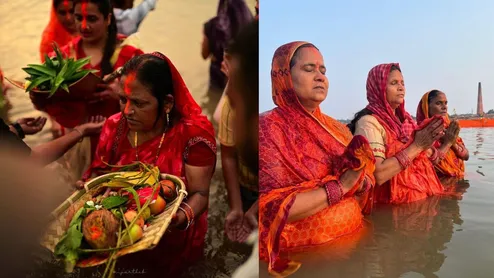
Every year, as Chhath Puja approaches, women ask the same question: “I don’t want to skip the vrat, but my body isn’t what it used to be. Can I still do it?” The answer is not a simple yes or no. Chhath is faith, family, and memory. But menopause changes how your body handles fasting, and that needs planning.
Tamanna Singh, co-founder of Menoveda and menopause coach, shares a practical guide for women who want to observe Chhath Puja safely during menopause.
Chhath Puja 2026: What Is The Fast?
Chhath Puja is a 4-day festival dedicated to Surya Dev and Chhathi Maiya. The most difficult part is the prolonged 36-hour nirjala vrat, no food and no water, from after Kharna till the morning Arghya. For younger women, this is tough. For women in perimenopause and menopause, it can be tougher.
How Menopause Changes Your Body During Fasting?
Falling oestrogen affects how we cope with heat, sleep, blood sugar, and fluids. If you already have hot flashes and night sweats, you are losing more water than you realise. Now add a 36-hour nirjala fast, then standing in cold river water at the ghat.
According to Tamanna Singh, “Dizziness, headaches, palpitations, low blood pressure and sugar swings become real possibilities. Anxiety and irritability can also get worse when the body is running on empty.” Your stage matters too. In perimenopause, hormones swing unpredictably, so a fast that felt easy last year can hit differently this year. Listen to the body you have today, not the one you remember.
Who Should Not Do Nirjala Fast During Menopause?
Do not follow the fast blindly if you have any of the following:
- Diabetes
- High blood pressure
- Thyroid issues
- Kidney issues
- Heart problems
- Low blood pressure
If you take regular medication, please speak to your doctor before deciding. Never stop or skip medicines on your own to fast.
Chhath Puja Fasting During Menopause: How To Fast Smartly?
If your doctor allows you to fast, follow these tips:
- Prepare 3-4 Days Before: Drink plenty of water, eat balanced meals, and sleep well. Do not start the fast already dehydrated and tired.
- Treat Kharna as Real Nourishment: The kheer, roti, and fruit are meant to carry you through. Eat slowly and properly; don’t rush it.
- Dress Light and Rest: Wear light cotton sarees, rest in shade when you can, and keep someone close by at the ghat.
- Time Your Medicines Correctly: If you are on hormone therapy or any regular tablets, ask your doctor how to time them around the fast.
- Break The Fast Gently: When you break it, go gently: water or coconut water first, then fruit, then prasad. Do not eat heavy fried food immediately.
Alternatives To Nirjala Fast During Menopause
Your devotion is not measured by suffering. You do have options:
- Water-and-fruit fast
- Partial fast
- Fully supportive role such as preparing prasad, singing Chhath geet, and standing by your family.
All are valid ways to take part. Faith can flex without breaking.
Conclusion
Menopause is not a reason to step away from the things you love. It simply asks you to bring a little more care to them. Plan, listen to your body, and let your doctor guide the decisions that are medical. Women in menopause have spent decades looking after everyone else. This Chhath, honour the tradition, and honour your body too.
(Image Credits: Pinterest)
Stay tuned for such stories on HerZindagi.