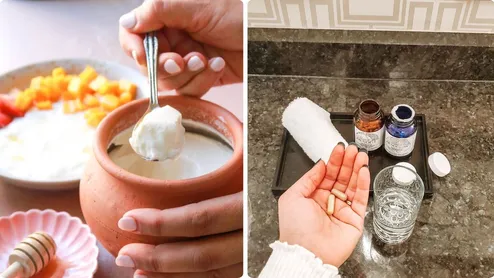
In most Indian homes, a meal feels incomplete without a bowl of dahi. It cools a fiery curry, rounds off a plate of dal-chawal, and turns into chaas on a hot afternoon. Generations embraced it long before anyone spoke of gut health, guided simply by food culture and instinct. And that instinct was right. Science has since caught up with it. Dr. M. Ratna Sudha, MD & Founder of Unique Biotech Limited has explained dahi’s nutritional value, linked it to gut health, and drawn attention to the beneficial microbes that fermentation brings.
Not Every Fermented Food Is a Probiotic
Not necessarily. Natural microorganisms drive fermentation, but that alone does not make a food probiotic. The International Scientific Association for Probiotics and Prebiotics (ISAPP) made this distinction clear in its 2021 consensus statement on fermented foods.
A microbe qualifies as a probiotic only when it is:
- Well defined
- Alive at the time of eating
Shown in studies to deliver a health benefit
When probiotics meet that standard, they work hard for the body. They help keep the intestinal wall intact, produce beneficial metabolites, and crowd out harmful bacteria by competing for space and nutrition. Their influence goes beyond digestion. The gut shapes immunity, and a major 2019 scientific review describes how gut microbes help steer its ongoing conversation with the brain, the gut-brain axis. In short, dahi is good for you. But not all dahi, and not all fermented foods, are probiotics in the scientific sense.
Why The Strain Matters
This is where things get interesting. Two probiotics of the same species can deliver very different results. The difference lies in the strain, an identifiable variant that sets one probiotic apart from others of its kind.
Think of Basmati and Sona Masoori: both are rice, yet no cook expects the same biryani from either. A 2018 analysis of 228 clinical trials confirmed exactly that: probiotic benefits depend on the specific strain and the condition it targets. India’s own scientific bodies recognised this years ago. The ICMR-DBT Guidelines for Evaluation of Probiotics in Food, issued in 2011, state that probiotic effects are strain-specific and recommend that labels name the strain. With consumers asking sharper questions, manufacturers, marketers and regulators have grown more selective about strains, since every specific health claim needs clinical studies on that particular strain. So the real question is no longer, “Does it have probiotics?” It is, “Which strain, and what is the evidence behind it?”
From Capsules to the Everyday Plate
For years, clinically studied probiotics mostly came as capsules and sachets. That made them feel more like medicine than food. Spore-forming probiotics are changing that. Scientific reviews show that Bacillus spores withstand heat, pH changes and storage better than many conventional probiotic bacteria. That resilience lets manufacturers add them to functional foods and beverages that fit easily into everyday routines, without needing to be refrigerated or taken like a pill. It means probiotics can finally meet Indian life where it actually happens: in a busy morning, in a tiffin, in a quick drink between meetings.
Dahi Stays, Science Joins In
None of this takes anything away from dahi, which has earned its place on the Indian table. Making room for clinically studied probiotics simply means choosing with more precision. Dahi for tradition, taste, and everyday nutrition. Clinically studied probiotics for targeted, evidence-backed gut support. So the next time someone reaches for a probiotic product, the question worth asking is not just whether it contains probiotics, but which strain it carries and what evidence stands behind it. Because in gut health, as in Indian cooking, the details make all the difference.
Stay tuned for such stories on HerZindagi.