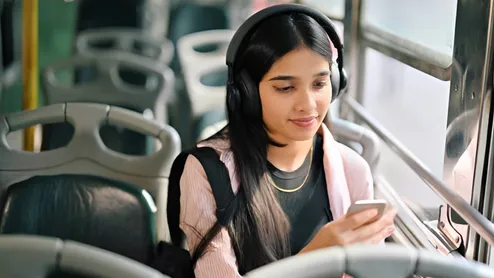
Raksha Bandhan happens to be one of the busiest days of travel for Indians due to millions of travellers who plan their visit for the festival to spend time with their brothers or sisters. But due to the festival falling in monsoon, problems such as rain, waterlogging, landslides, and delays in transport can affect your travel plans. Here’s a comprehensive Raksha Bandhan travel guide for you.
Check Government Travel Advisories Before Starting Your Journey
Before leaving for your Raksha Bandhan trip:
Check the weather forecast released by the IMD (India Meteorological Department).
Do not visit those places where there is a red alert or orange alert for rainfall.
Follow the guidelines released by the state disaster management department and local police.
While visiting hill stations, do not drive at night if there is rainfall.
Keep the numbers of emergency helplines saved on your mobile.
Free and Special Bus Packages for Women
Concessions in public transport for women during the occasion of Rakhi are quite enormous.
State Transport Authority of Uttar Pradesh (UPSRTC): Three complete days of free travel for women on all government-owned state-run and local buses.
Rajasthan State Transport Corporation (RSRTC): Two days’ concession for women where all women get free travel within the state on government buses for all regular runs.
Haryana State: Free intra-state travel for women and children below the age of 15 years. The package involves free travel between Delhi and Chandigarh.
Route Packages of Year-Round Free Bus Travel for Women: Women can make use of the already existing zero-fare bus services in Delhi (DTC buses), Punjab, and Karnataka.
FlixBus Baggage Package for Rakhi Season: FlixBus India has made changes in their luggage policies for long-distance intercity travellers during Rakhi season.
Major Closed and Restricted Routes
Delhi Meerut Expressway: Completely closed for any vehicular movement.
Delhi-Haridwar Highway (NH-34): Forbidden from heavy and regular vehicular movement to avoid accidents.
From Chilla Red Light to Pushta Vihar Gate: Completely closed to general vehicular movement.
GT Road (from Apsara Border to Yamuna Bridge): Restrictions of all kinds on general traffic on this particular road.
NH-44 (GT Karnal Road): Heavy restrictions and heavy traffic between Singhu Border and Mukarba Chowk.
Monsoon Season Closures of Ghats: Malshej Ghat completely closed for all kinds of vehicular movements.
ALSO READ- Sarnath Travel Guide: How to Reach, Top Places To Visit, Food To Enjoy, Stays and Budget Tips
Added Government Alternative Corridors
Northern Outbound Travel (Karnal, Chandigarh): Urban commuters should take an alternate route by avoiding NH-44 through Urban Extension Road II (UER-II) or Narela Bawana Road.
Inter-State Transit: The regular vehicles heading towards Uttar Pradesh and Uttarakhand have to travel on NH-9 or Eastern Peripheral Expressway (EPE).
Ghaziabad and Meerut Commuter Route: The traffic on the Eastern Peripheral Expressway is currently being diverted to NH-9 via Dasna junction.
Ghat Alternatives: West-bound travellers to India can travel during the monsoon season via Naneghat or Kasara ghat route alternatives.
Public Transport Advisories
Delhi Metro: Increasing frequencies, recommended as the preferred alternative in place of gridlock.
Diversions of City Buses: Distance buses have been diverted away from the expressway routes through UP Gate.
Monsoon Guide On What To Pack And How To Travel Safe
What to Pack
Rain Gear: Carry along a durable, yet compact umbrella and a breathable rain jacket or poncho.
Gadget Protection: Put your mobile, powerbank and money in waterproof bags or ziplock bags.
Right Clothes: Go for light, quick-drying clothes made of artificial material, and not denim or natural cotton clothes.
Good Shoes: Wear waterproof, anti-slip floaters or sandals, but not leather footwear or flip-flops.
Care and Health: Take along some wet wipes, mosquito repellent, and a first-aid kit.
How to Travel Safe
Be Prepared: Get information about weather forecasts before setting out and make sure you start early to allow for waterlogging and possible traffic jams.
Keep Presents Safe: Make sure you pack your Rakhi presents and sweets inside plastic covering within your bag.
Take Caution: Do not go into deep pools of water or fast-flowing water, as there may be hidden open manholes or any electrical risk.
Let Them Know: Make sure to inform your family about your travel status because unexpected rain may hamper your journey.
Conclusion
A Raksha Bandhan journey is about enjoying the relationship among siblings, and an effective plan will ensure that you get to meet your family members safely.
Note: This information is based on previous guidelines. For the latest 2026 updates and official announcements, please visit the respective government websites.
Image credits: Freepik
To read more such stories, stay connected to Her Zindagi.