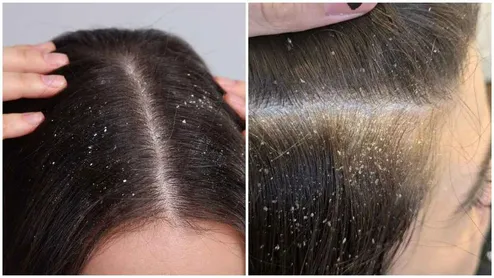
An itchy, flaking scalp is a common frustration, but treating it effectively requires knowing exactly what you are dealing with. People frequently confuse scalp buildup with dandruff because both conditions result in visible flakes and discomfort. However, using the wrong treatment such as applying heavy anti-dandruff formulas to product buildup or harsh clarifying shampoos to a sensitive, dandruff-prone scalp, can worsen the problem. Understanding the distinction is the first step toward restoring a healthy, balanced scalp.
What Is Scalp Buildup?
Scalp buildup occurs when substances accumulate on the hair follicles and skin surface over time. It is primarily categorised into two types:
- Product Buildup: Residue left behind by styling products, dry shampoos, leave-in conditioners, silicones, and hair oils that have not been thoroughly washed away.
- Natural Buildup: A mixture of natural sebum (oil), dead skin cells, and sweat that accumulates due to infrequent washing or inadequate cleansing.
What Is Dandruff?
Unlike simple buildup, dandruff is a medical scalp condition often linked to an inflammatory response. Key factors include:
- Yeast Overgrowth: An overproliferation of Malassezia, a naturally occurring fungus on the scalp that feeds on skin oils.
- Seborrheic Dermatitis: A milder or severe inflammatory skin reaction caused by sensitivity to oleic acid, a byproduct of Malassezia, leading to rapid cell turnover and shedding.
Scalp Buildup vs Dandruff: Key Differences
Identifying the physical characteristics of your scalp shedding helps determine the underlying cause:
- Flake Color & Texture: Buildup flakes tend to look off-white or yellowish, sticky, and clump together, whereas dandruff flakes are typically white or pale yellow, smaller, and oily or dry depending on the severity.
- Scalp Condition: Scalp buildup creates a layer or film on the skin that can be scraped off gently with a fingernail. Dandruff causes redness, localised inflammation, and persistent irritation.
Triggers: Buildup is triggered by heavy product usage, hard water, and infrequent washing. Dandruff is influenced by stress, hormonal fluctuations, weather changes, and fungal activity.
How to Treat Scalp Buildup
Cleansing and exfoliation are essential for eliminating accumulated residue:
- Clarifying Shampoos: Incorporate a deep-cleansing or clarifying shampoo once a week or biweekly to break down stubborn product buildup and heavy oils.
- Scalp Exfoliants: Use chemical exfoliants (like glycolic or lactic acid) or gentle physical scalp scrubs to loosen dead skin cells.
- Proper Rinsing Technique: Ensure products are rinsed thoroughly with lukewarm water, focusing your wash on the roots rather than just the length of your hair.
How to Treat Dandruff
Targeting the underlying fungus and reducing inflammation requires targeted active ingredients:
- Zinc Pyrithione or Selenium Sulfide: Helps slow down fungal growth and controls flaking.
- Ketoconazole: A powerful antifungal agent useful for stubborn or severe dandruff.
- Salicylic Acid: Aids in dissolving thick flakes so they can be easily washed away.
Daily Prevention and Scalp Care Tips
Wash your hair regularly based on your scalp type (oily scalps require more frequent washing). Avoid applying heavy conditioners, butter, or oils directly onto the scalp. Limit the use of dry shampoo to consecutive days. Clean hairbrushes and combs regularly to avoid reintroducing bacteria and residual oils.
Conclusion
Distinguishing between scalp buildup and dandruff is essential to selecting the right treatment routine. While buildup responds best to deep cleansing and exfoliation, dandruff requires targeted antifungal and anti-inflammatory ingredients. By identifying your scalp's specific needs, you can effectively resolve flaking and maintain a healthy environment for hair growth.
(Image Credits: Pinterest)
Stay tuned for more such stories at Her Zindagi.