
Navi Mumbai Ranks No. 1 Cleanest City: 5 Zero-Waste Home Habits to Copy

Navi Mumbai has officially been crowned as India's cleanest city in the wachh Survekshan Awards 2025–26, making it to the top of the lsit ahead of 4,751 urban centrea across the country. With Indore, securing the second place, which was placed at the top position for last 8 years, making Navi Mumbai take home the title - 'Swachh Shehar - Rank 1', but if you are wondering what you can really do as a citizen to make your city be at the top next year and take notes from Navi Mumai. Here five practical zero-waste home habits Navi Mumbai residents swear by, and how you can easily adopt them in your own home. Make your city your home and thrive with the title each year, making India a place to be loved with its cleanliness and culture.
5 Zero-Waste Home Habits Navi Mumbai Residents Swear By
Here are the activites and initiatives taken by the Municipal Coroporation, Government and citizens of Navi Mumbai to take it to the place that deserves only the top ranking, and how you can easily adapt them in your daily life.
1. Strict Source-Segregation Routine
In Navi Mumbai, strict solid waste management enforcement means door-to-door garbage collection vehicles only accept waste separated at the source.
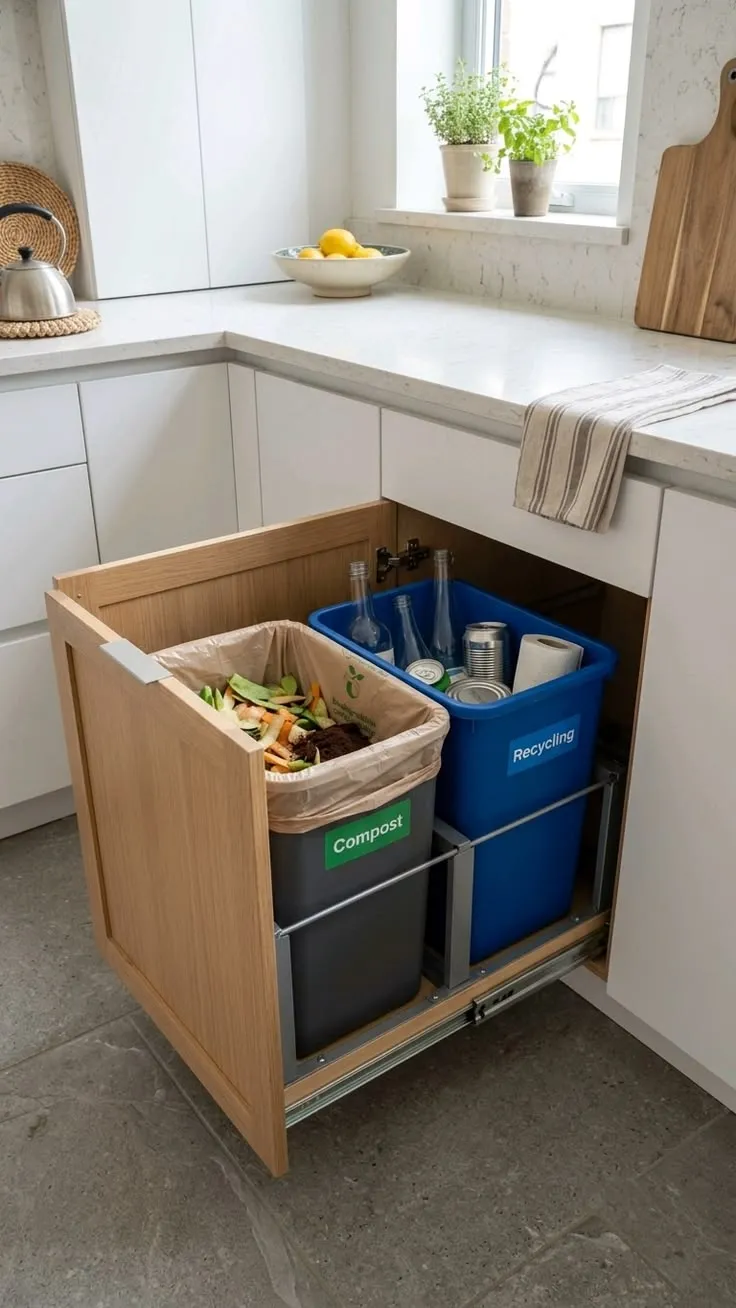
How it works: Food scraps, tea leaves, fruit peels, and eggshells go straight into a green wet-waste bin, while paper, cardboard, glass, and clean plastic packaging go into a blue dry-waste bin.
How to copy it: Keep two clearly labelled bins under your kitchen sink alongside a small countertop caddy for vegetable peels while you cook.
2. Mindful Water Reuse At Home
Inspired by Navi Mumbai's Water Plus Certification which recognises city's 100% treatment and resue of wastewater for gardens, residents bring the same resource-circulare mindset into thier homes.
How it works: Residents layer daily vegetable peels with cocopeat or dried leaves in terracotta khambas or aerated balcony bins, turning scraps into nutrient-rich soil within 45 to 60 days while using rinsed kitchen water to tend to balcony plants.
How to copy it: Start small with a stackable terracotta composter or an airtight bokashi bin on your utility balcony. Keep a jar of cocopeat next to it to sprinkle over fresh food scraps.
ALSO READ- Can Low Humidity And Winter Air Worsen Skin Sensitivity? Dermatologist Explains
3. Tech-Enabled Accountability And Dry-Waste Tracking
Navi Mumbai’s civic success relies heavily on smart technology from GPS-tracked waste collection vehicles monitored by the ICCC to residents actively reporting missed pickups or litter spots via the MyNMMC App and Swachhata App. That same habit of tracking and accountability carries over into how families manage their household dry waste.
How it works: Households store clean dry recyclables separately and schedule doorstep pickups through digital collection drives, ensuring plastic, metal, and e-waste reach authorised recyclers rather than overflowing local bins.
How to copy it: Dedicate a sturdy cloth bag or cardboard box in your utility area solely for clean dry recyclables, and keep a separate shoebox for e-waste like old chargers, dead batteries, and fused bulbs.
4. Ditch Singe-Use Plastic with 'Jhola and Dabba' Kit
Inspired by plastic bans and single-use plastics and community awareness drives, carrying reusable bags and containers is a standard safety measure across Navi Mumbai's local markets.
How it works:Families keep a permanent "market kit" near the front door or inside car boots, complete with foldable cotton jholas, breathable mesh produce bags, and stainless steel dabbas for fresh meats, paneer, or farsan.
How to copy it: Hang two foldable cloth totes right next to your house keys so you never walk out empty-handed. When ordering takeout from neighbourhood eateries, request no plastic cutlery or tissues, and bring your own steel container when picking up hot snacks or sweets.

5. Circular Wardrobe Swaps And Recycling
Navi Mumbai made headlines nationwide for operating India’s first dedicated textile waste recycling centre, encouraging residents to stop throwing worn-out clothes, old bedsheets, and torn curtains into regular dustbins.
How it works: Wearable garments are donated to community collection centres, while faded or torn fabrics are either repurposed at home or dropped into dedicated textile recycling bins to be processed into industrial yarn and stuffing.
How to copy it: Whenever clothes become stained, worn out, or outgrown, place them inside a recyclable bag instead of your regular trash bin. Cut old pure-cotton t-shirts into reusable kitchen cleaning rags, and drop the rest at local textile recycling drives or brand take-back boxes.
ALSO READ- How To Remove Wax Or Oil Stains From Silk Sarees At Home
These are some of the small and smart practices that have helped gain Navi Mumbai the title of cleanest city this year, and you can also make simple swaps for a better environment and make your city rank to the city.
(Image credit: Pinterest)
Stay connected to read more such stories on Her Zindagi.
Our aim is to provide accurate, safe and expert verified information through our articles and social media handles. The remedies, advice and tips mentioned here are for general information only. Please consult your expert before trying any kind of health, beauty, life hacks or astrology related tips. For any feedback or complaint, contact us at compliant_gro@jagrannewmedia.com.