
How To Choose Right Curtains Colour Based On Size And Natural Light

Curtains play an important role in shaping the look and comfort of a room. They control natural light, provide privacy, and add visual softness to the space. Along with that when deciding to choose curtains for a room, factors such as wall colour, furniture style, room size, and seasonal comfort all matter. The right curtain choice can make the space feel brighter, more balanced, and visually complete. This guide explains how to choose curtain colour for your room, what fabrics work best, and how to select the right curtain size and style based on your space.
Why Curtains Matter In A Room
The first and foremost thing to understand here is that curtainsdo more than simply cover windows. They influence the overall mood, lightning and comfort of the room. A chosen curtain can help in controlling the amount of sunlight and glare that comes in a room. It provides privacy during the evenings. Curtains also improve insulation, in both hot and cold seasons. At last, curtains add a texture and a visual balance to interiors. In many homes, curtains also act as a key element of design. Their colour, fabric, length, everything enhances the decor, and makes the room completely and perfectly cohesive. Another thing to add to the importance of curtains is that they understand the style of the room, the kind of guests it will entertain.
ALSO READ- How To Deep Clean Your Bedroom This Weekend In 5 Easy Steps
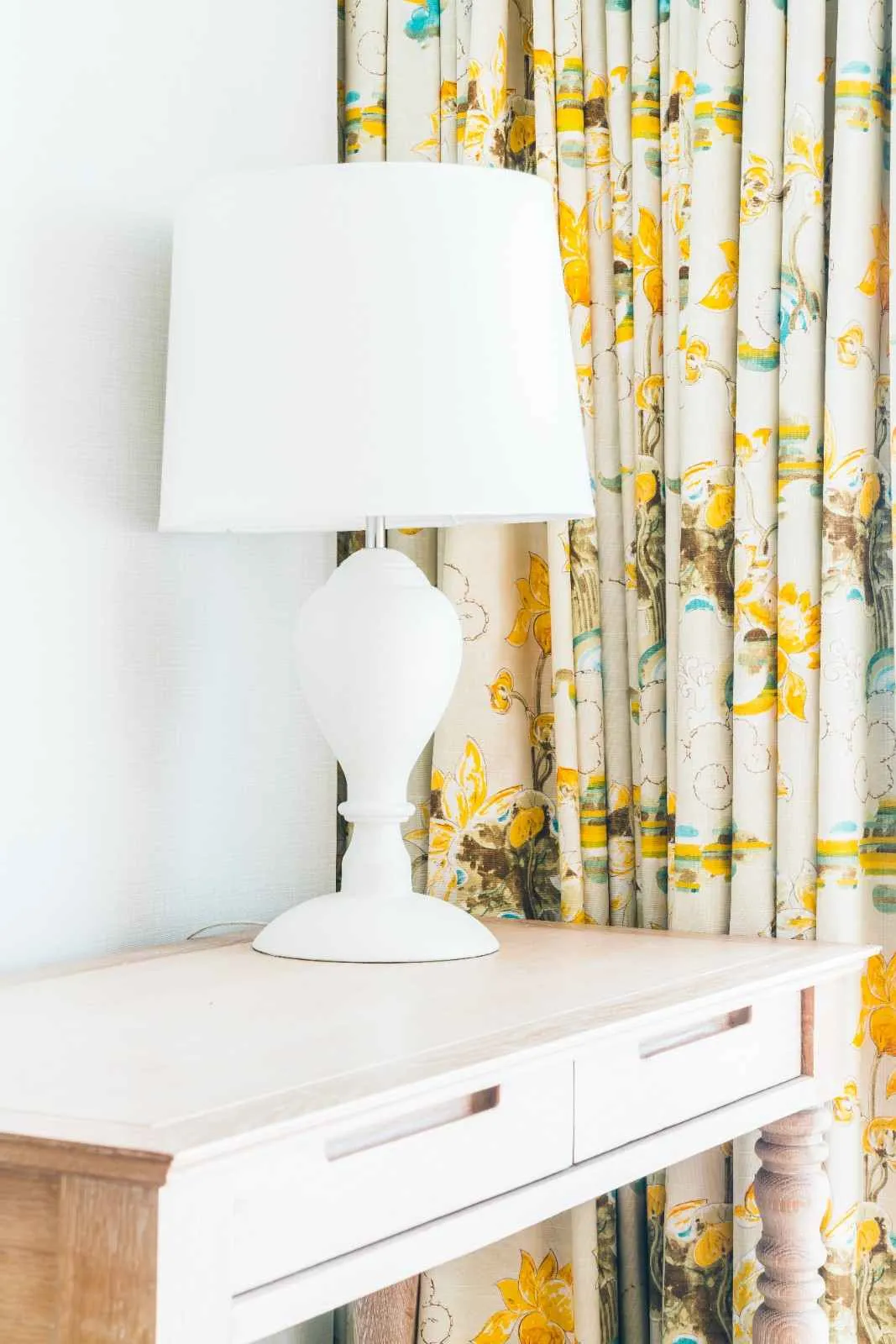
How To Choose Curtain Colour For Room
Now that you have understood the importance of curtains in a room, now it's time to decide what colour will go with your room. The right colour can make or break a space. It can make the space feel calm and balanced, while the wrong choice may overpower the room. When choosing a colour for your room, you should consider the following:
Wall colour
Sofa and furniture tones
Natural lighting in the room
Overall décor theme
Neutral colours such as white, beige, cream, or grey are versatile as it works with most interiors. However, if the room has a neutral base, you can introduce strong colours such as navy, mustard, or olive to add a new living character to the room. The key is to ensure that curtains support the colour palette of the room, and not compete with it.
How To Match Curtains With Wall Colours
Wall colour plays a major role in curtain selection. The two most common approaches are matching tones or creating contrast. For example, Light walls pair well with both soft neutrals and deeper curtain shades, dark walls usually benefit from lighter curtains to balance the room and neutral walls allow greater flexibility with bold curtain colours. The best rule is to keep the curtain colour either slightly lighter or darker than the wall shade to create visual depth.
Matching Curtains with Furniture
Furniture colour should also guide curtain selection. Since sofas and chairs occupy large visual space, curtains should complement them rather than clash. Some practical combinations include: Beige sofa with soft grey or cream curtains, dark furniture with lighter curtains for contrast and neutral furniture with patterned curtains for added interest. By coordinating curtain colour with furniture tones, the room appears more cohesive and thoughtfully styled.
Using Contrast vs Matching Colors Curtains
Both contrast and matching colour strategies can work well depending on the room design. Matching colours create a calm and unified look. For example, light grey walls with slightly darker grey curtains. Contrasting colours add visual interest. For example, neutral walls paired with mustard or navy curtains. For smaller rooms, softer matching tones usually work better because they maintain openness. Larger rooms can handle stronger contrasts without feeling crowded.
How Fabric Affects Curtains Of A Room
The fabric you choose has a direct impact on how curtains look and function in a room. Fabric determines how much light enters the room, how the curtains drape, and how easy they are to maintain.
When selecting curtains for room, consider these factors:
Amount of natural light the room receives
Privacy requirements
Seasonal comfort
Overall interior style
Lightweight fabrics allow sunlight to filter through and keep the room bright. Heavier fabrics provide better insulation and stronger light control. Choosing the right material ensures that the curtains serve both decorative and functional purposes.
-1790510719634.webp)
Lightweight Fabrics for Airy rooms
Light fabrics are ideal for rooms that receive good natural light or need a more open appearance. Common lightweight curtain fabrics include: cotton, linen, and sheer fabrics. These fabrics work well in modern homes, and smaller rooms where brightness is in abundance. Lightweight curtains are especially useful during warmer months because they improve airflow and prevent the room from feeling heavy.
Heavy Fabrics for Formal rooms
Heavy fabrics create a more luxurious and structured appearance. They are commonly used in larger rooms or traditional interiors. Popular options are velvet, thick polyester blends, and layered curtains as they combine sheer and heavier drapes. Heavy fabrics are helpful in colder seasons, as they improve insulation. But remember that they should be used carefully in smaller rooms as they can make the space feel dense and small. Choosing Curtains Based on Room Size
Curtains For Small Rooms
In smaller rooms, curtain selection should help maintain a sense of openness and brightness. Some useful tips include: Choose light-coloured curtains such as white, cream, or pastel tones, or use sheer or lightweight fabrics. Avoid overly bold print and heavy drapes. Also install curtains slightly above the window frame to create height. The goal is to ensure that curtains enhance the room rather than visually crowd it.
Curtains For Large Rooms
Large rooms provide more flexibility when choosing curtain colours and fabrics. You can experiment with bold colours like navy, mustard, or deep green, or layered curtains with sheers and heavy drapes. You can even use textured fabrics such as velvet or jacquard. In bigger spaces, curtains can act as a design statement instead of just a functional window covering.
Conclusion
Choosing the right curtains for the room requires balancing style, comfort, and practicality. The best approach is to consider the room’s colour palette, furniture style, lighting conditions, and seasonal needs before making a decision. Light fabrics and neutral tones work well for bright and compact spaces, while larger rooms can accommodate richer colours and layered curtains. Paying attention to curtain length and width also ensures the final result looks polished. By selecting curtains thoughtfully, you can create a room that feels comfortable, visually balanced, and welcoming for both everyday living and entertaining guests.
(Image Credits: Pinterest)
Stay tuned to read more such stories on Her Zindagi.
- Should curtains be lighter or darker than wall colour?
- Curtains should generally be one or two shades lighter or darker than the walls to create pleasing visual depth.
- Which curtain fabrics are best for small rooms?
- Lightweight and sheer fabrics like linen or cotton work best as they maximize natural light and keep the room airy.
- How do I choose curtains for a dark room?
- Opt for bright or neutral light-coloured curtains in breathable fabrics to reflect light and brighten up the space.
Our aim is to provide accurate, safe and expert verified information through our articles and social media handles. The remedies, advice and tips mentioned here are for general information only. Please consult your expert before trying any kind of health, beauty, life hacks or astrology related tips. For any feedback or complaint, contact us at compliant_gro@jagrannewmedia.com.