
Gas Vs Induction Cooking: Which Kitchen Setup Saves More Time, Money And Effort?
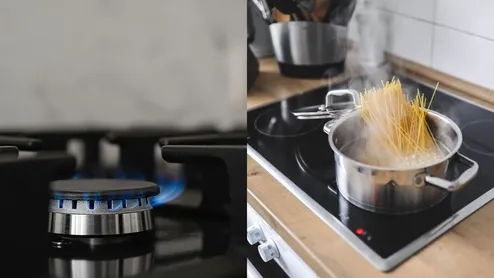
When designing or upgrading a kitchen, the choice between gas and induction cooktops is frequently framed around traditional culinary habits versus sleek modern aesthetics. However, when evaluating which setup truly serves a fast-paced routine, the decision must move beyond flame preference to focus on three tangible factors: cooking speed, financial investment, and daily maintenance effort.
1. Speed and Energy Efficiency
Induction cooktops operate via electromagnetic fields, transferring energy directly to ferromagnetic cookware rather than heating the surrounding air. This mechanism yields an impressive 85% to 90% thermal efficiency, boiling water in less than half the time required by a standard gas burner.
By contrast, gas stoves operate at roughly 40% to 50% efficiency, as a major portion of heat escapes into the air around the pan—simultaneously increasing ambient kitchen temperature and cooking times.
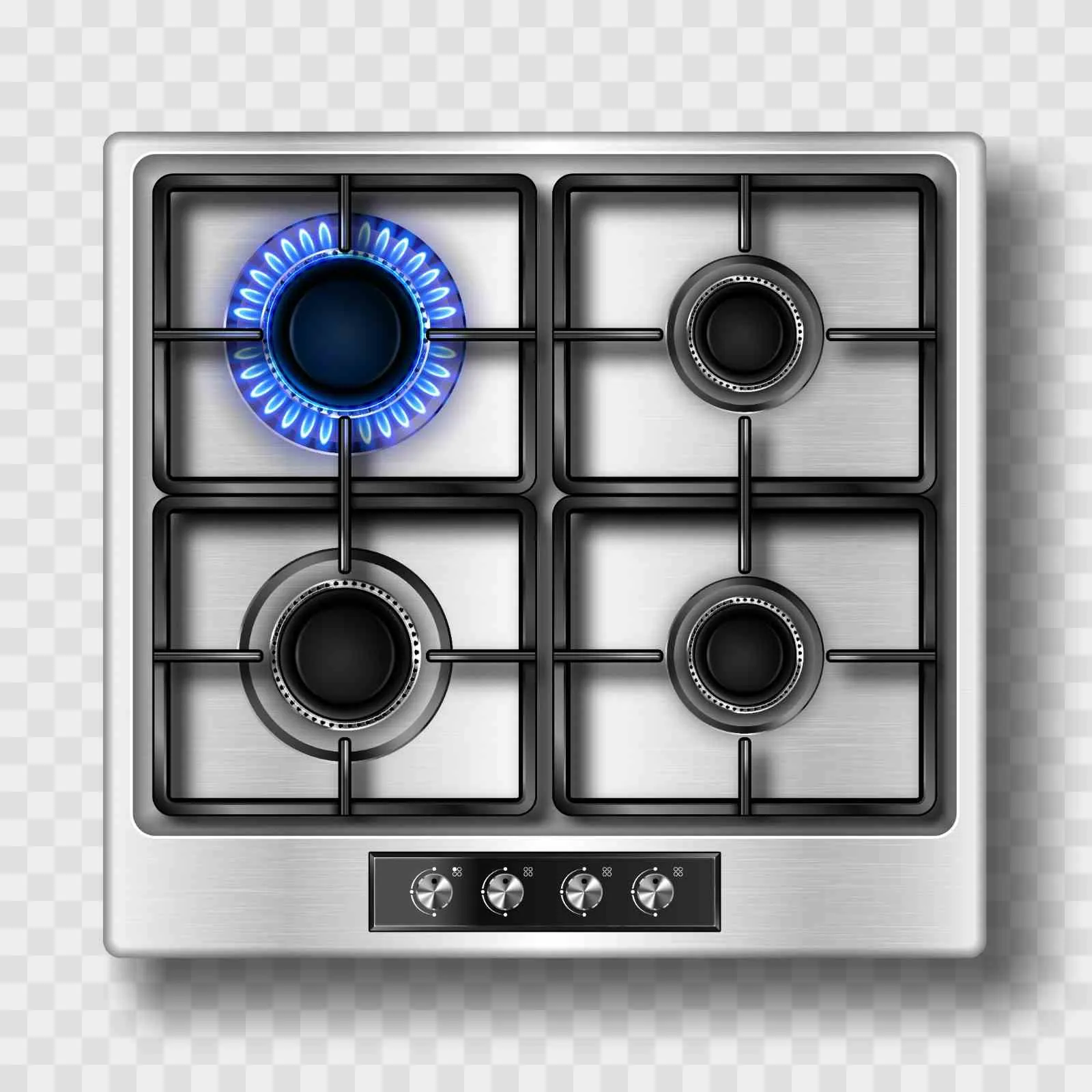
2. Financial Breakdown: Upfront vs. Long-Term Costs
Gas ranges generally offer a lower initial purchase price and compatibility with all cookware shapes and materials. However, induction setups require an initial investment in compatible magnetic cookware (such as stainless steel or cast iron). Over time, induction's rapid cooking cycles significantly reduce total energy draw, rendering running costs competitive with or lower than monthly utility or gas cylinder expenses.
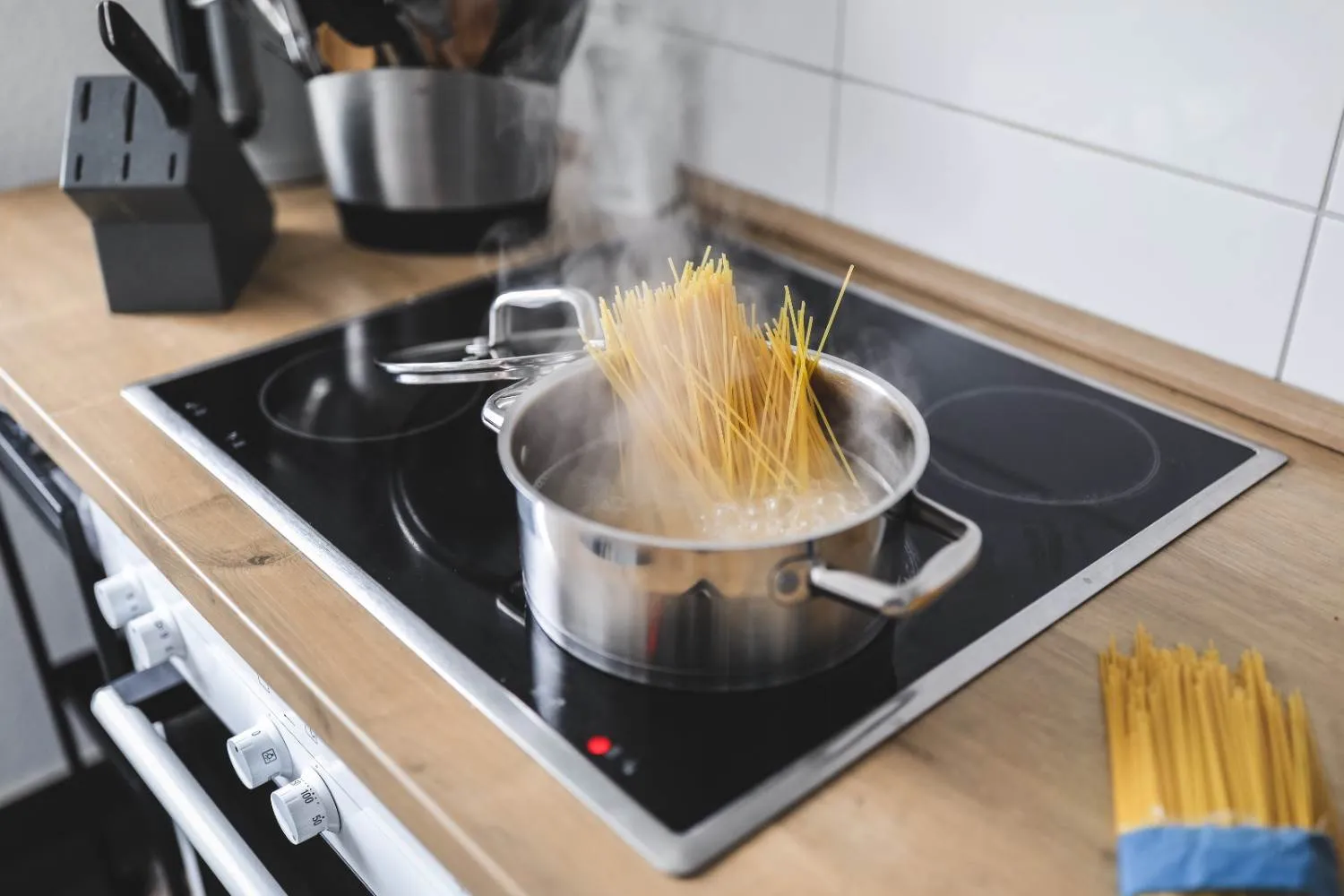
Kitchen Setup Comparison
Feature |
Gas Cooktop |
Induction Cooktop |
|---|---|---|
Thermal Efficiency |
~40% – 50% |
~85% – 90% |
Heating Speed |
Moderate |
Ultra-Fast |
Cookware Compatibility |
Universal (all metals/shapes) |
Ferromagnetic flat-bottomed |
Daily Cleaning Time |
High (5–10 mins) |
Minimal (<1 min) |
Kitchen Heat Output |
High ambient heat |
Cool & localised |
3. Maintenance and Daily Effort
Effort extends beyond active cooking hours. Cleaning a traditional gas stove requires removing heavy cast-iron grates, scrubbing around raised burners, and managing burnt-on grease spills.
In contrast, an induction top features a completely flat glass surface. Because the cooktop surface does not reach extreme temperatures, boiled-over liquids rarely scorch or stick, allowing for a single, effortless wipe-down with a damp cloth immediately after meal prep.
ALSO READ- Your Kitchen May Be Dirtier Than You Think: 7 Things To Remove Today
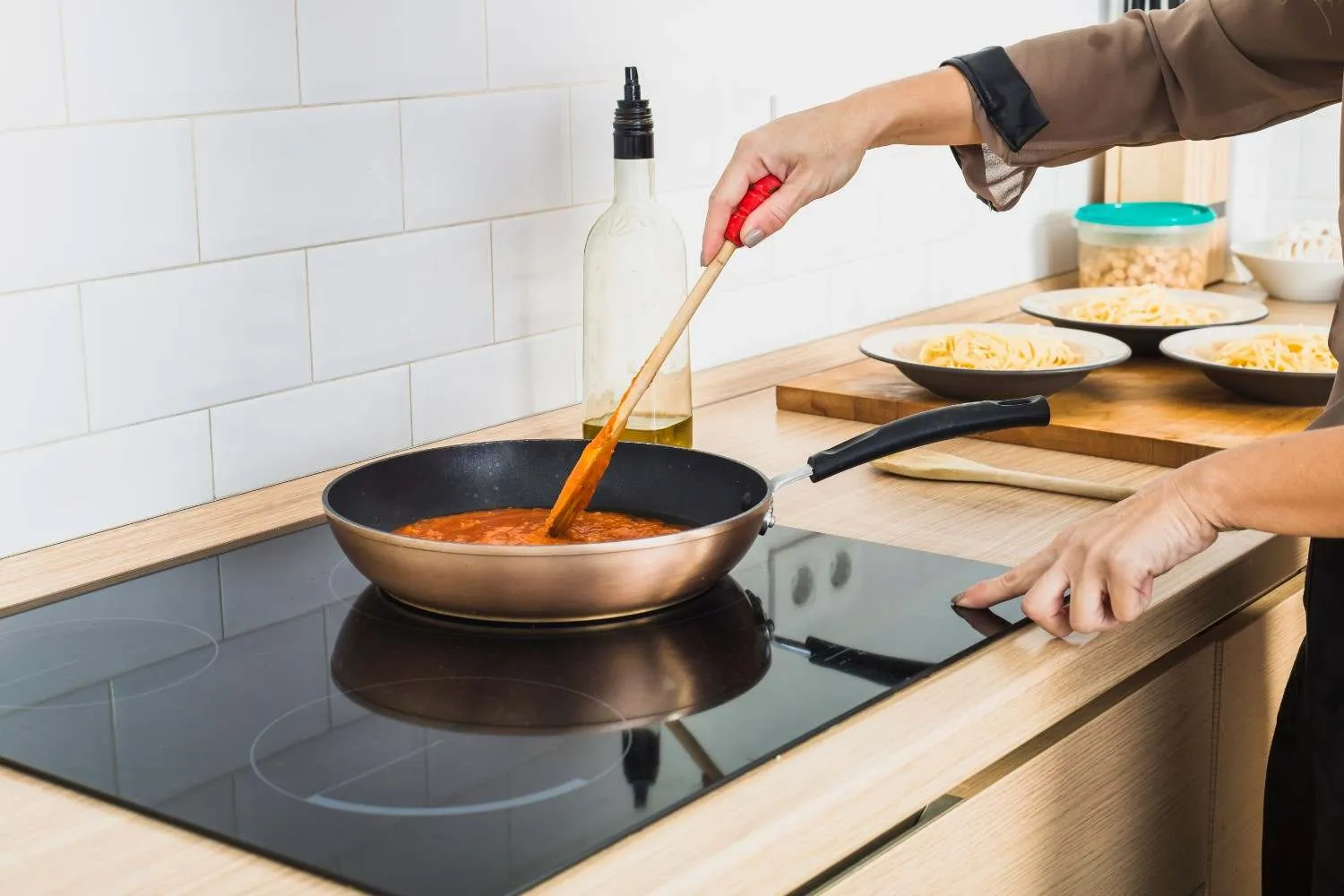
The Final Verdict
For households prioritising speed, cool kitchen environments, and frictionless cleanup, induction is the clear winner for long-term time and effort savings. While gas retains advantages for specialised flame-based cooking techniques and regions with unstable electricity, induction delivers an unmatched blend of efficiency and daily convenience.
(Image Credits: Magnific)
- Which is faster - gas or induction?
- Induction is much faster with 85-90% efficiency vs 40-50% for gas, boiling water in almost half the time.
- Which is cheaper in the long run?
- Gas has lower upfront cost, but induction saves more long-term with lower energy use and faster cooking.
- Which is easier to clean?
- Induction - flat glass surface wipes clean in under 1 minute, while gas needs grate removal and scrubbing.
Our aim is to provide accurate, safe and expert verified information through our articles and social media handles. The remedies, advice and tips mentioned here are for general information only. Please consult your expert before trying any kind of health, beauty, life hacks or astrology related tips. For any feedback or complaint, contact us at compliant_gro@jagrannewmedia.com.