
AQI Levels Are Rising: 7 Symptoms That Could Be Linked To Air Pollution
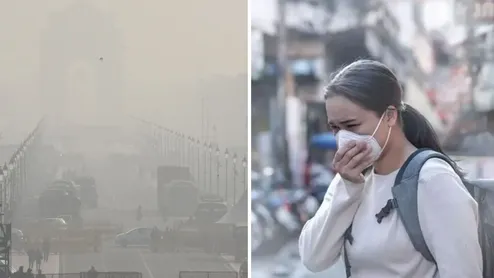
Delhi-NCR's air has turned heavy again after the festive days, and a lot of people are feeling it without realising why. If you're waking up with a scratchy throat, a dull headache, burning eyes, or feeling tired for no reason, it might not be a cold. It could be the air. Delhi's overall Air Quality Index (AQI) is currently around 371, which falls in the "Very Poor" category. Several hotspots have already crossed 400, moving into the "Severe" zone. Doctors say these early signs are easy to ignore, but they are your body's way of reacting to polluted air. From a constant cough to fatigue and eye irritation, here are 7 symptoms that could be linked to air pollution and why you shouldn't brush them off.
Symptoms That Could Be Linked To Air Pollution
Here are 7 signs of air pollution from plus simple tips to protect yourself when AQI levels go up.
Here are seven symptoms worth watching.
1. Burning Or Watery Eyes
Your eyes are among the first to react to polluted air. Fine particles and smoke settle on the surface of the eye and cause itching, redness and constant watering. If your eyes feel gritty after a short time outside, the air quality is likely the reason.

2. A Cough That Won't Go Away
A dry, nagging cough is one of the most common signs of poor air quality. The lungs try to push out the particles you breathe in, and that irritation can last for days. If the cough gets worse in the morning or late at night, when smog tends to sit low, pay attention.

3. Sore Throat And Throat Irritation
Many people feel a rough, dry or itchy throat during high pollution days. It often feels like the start of a cold, but there is no fever and no body ache. That is usually a clue that the air, and not a virus, is behind it.

4. Shortness Of Breath Or Wheezing
Feeling out of breath while climbing stairs or walking a short distance is not something to ignore. Wheezing, or a tight feeling in the chest, can show that your airways are inflamed. People with asthma or other breathing problems may notice this first, but healthy adults can feel it too.

5. Headaches And Dizziness
Polluted air can bring on headaches, especially if you spend long hours outdoors or in a stuffy room. Some people also feel lightheaded or foggy. Pollutants like carbon monoxide and fine particles may reduce the oxygen your body gets, which can leave you feeling off.

6. Constant Tiredness
If you feel drained even after a full night of sleep, the air may be part of the problem. Your body works harder to cope with pollutants, and that can leave you low on energy. Poor sleep during high AQI days can add to the fatigue.

7. Skin Irritation And Dryness
Pollution does not only affect your lungs. Tiny particles can sit on the skin and cause itching, rashes, dullness and breakouts. People with eczema or sensitive skin may see flare-ups when AQI levels shoot up.

What You Can Do To Stay Safe?
You cannot control the air outside, but a few habits can help. Check the AQI on your phone before you step out, and avoid morning walks or outdoor workouts on the days it crosses the poor or severe mark. Keep windows closed during peak smog hours. A well-fitted N95 mask is more useful than a regular cloth mask when you have to travel.
Drink enough water and rinse your face and eyes with clean water after coming home. Keep indoor air as clean as you can by avoiding incense sticks, smoke and heavy dust. An air purifier can help if you have one, but keeping the room clean and well-ventilated at the right times matters too.
ALSO READ- Diwali 2026: Dermatologist Explains How To Protect Your Skin And Hair From Smoke And Smog
When To See A Doctor?
A mild cough or itchy eyes may settle on their own once the air improves. But if symptoms last more than a few days, or if you feel chest pain, severe breathlessness or constant wheezing, see a doctor without waiting. Children, senior citizens, pregnant women and people with heart or lung conditions are more at risk and should take extra care.
Air pollution does not always announce itself loudly. Sometimes it shows up as a cough, a headache or a tired afternoon. Noticing these signs early is the easiest way to look after yourself when the AQI keeps rising.
- What are the symptoms of air pollution?
- Common symptoms of air pollution include scratchy throat, cough, burning eyes, headache, fatigue, shortness of breath, and skin irritation. These can worsen with prolonged exposure to poor air quality.
- What is Delhi's AQI today?
- Delhi's overall AQI is around 371, which falls in the "Very Poor" category, with several hotspots crossing 400 into the "Severe" zone.
- How to protect yourself from air pollution?
- Wear an N95 mask outdoors, use an air purifier indoors, keep windows closed during peak pollution hours, stay hydrated, and avoid outdoor exercise when AQI is very poor or severe.
Our aim is to provide accurate, safe and expert verified information through our articles and social media handles. The remedies, advice and tips mentioned here are for general information only. Please consult your expert before trying any kind of health, beauty, life hacks or astrology related tips. For any feedback or complaint, contact us at compliant_gro@jagrannewmedia.com.