Why You Should Consider Adding Kojic Acid To Your Skincare Routine
In the relentless pursuit of luminous skin, one powerhouse ingredient is taking centre stage and is often whispered among dermatologists: Kojic Acid. A molecule derived from fermentation, kojic acid is more than just trending; it's a clinically backed powerhouse in achieving the coveted glow.
We spoke to Dr Shefali Mahlawat, Department of Dermatology, NIIMS Medical College & Hospital, Greater Noida, and Dr Navjot Arora, Consultant Dermatologist at Dermaheal Skin Clinic, Dwarka, to break down this cult favourite brightener.
What is Kojic Acid?
Kojic acid is surprisingly organic in origin, derived from specific types of fungi and the age-old process of fermenting rice and soy products.
According to Dr Arora, "Kojic acid is a skin-brightening ingredient obtained from some type of fungi and from the fermentation of rice. Basically, it works by slowing down melanin production in skin, which reduces pigmentation and uneven skin tone."
The mechanism is simple yet effective: it basically inhibits the activity of an enzyme called tyrosinase, which is the fundamental catalyst for melanin production in the skin. Targeting the root cause of darkening, it diminishes dark spots, stubborn hyperpigmentation, and smooths out skin tone. Dermatologists frequently recommend it for complex conditions such as melasma, sunspots, and post-acne marks.
Benefits of Kojic Acid
Kojic acid is more than just a lightener; it controls the production cycle of melanin for several rich, indulgent benefits to your skin:
Targeted Fading: It expertly lightens dark patches, residual acne scarring, and stubborn hyperpigmentation to reveal a clearer canvas. Since it is so effective, it often finds itself included in combination treatments for tough pigmentation issues, such as melasma.
Mild Anti-Ageing Support: It provides a mild anti-ageing effect by improving clarity and evenness in the overall skin tone for a fresher look.
Protective Properties: Besides having mild antioxidant and antibacterial properties, it supports healthier skin through its ability to reduce oxidative stress and prevent future discolouration over time.
Mastering the application
To add this ingredient to your regimen, here is a dermatologist-approved guide:
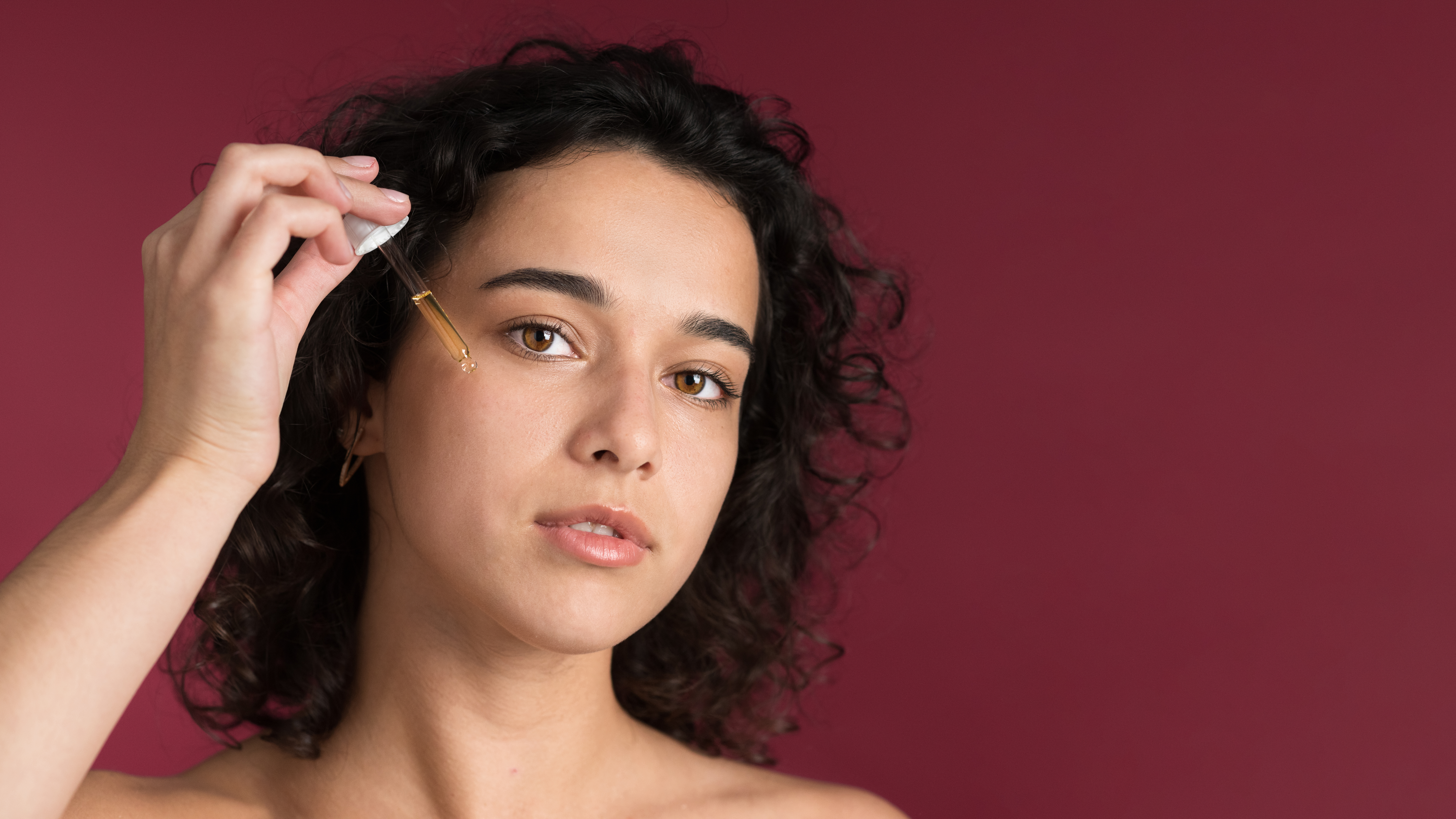
It is generally available in strengths of 1–2% for daily application in the form of serum or cream. According to Dr Mahlawat, it is best applied once a day, at night, on clean, dry skin.
Start Low and Slow: Use a lower strength, 1–2%, and only every other day until the skin gets used to it.
Targeted Treatment: Apply the product only on the areas of pigment being treated, not necessarily the entire face.
Prioritise Hydration: Always follow up with a moisturising lotion. This step is crucial for skin hydration, protection of the skin barrier, and doesn’t stress the skin barrier in the case of pigment treatment. Consider pairing it with hydrating agents such as niacinamide or hyaluronic acid that enhance skin tolerance.
The Non-Negotiable SPF: Because of the nature of kojic acid as a depigmenting agent, it would render the skin exponentially more sensitive to sunlight. Using a broad-spectrum sunscreen daily with an SPF of 30+ is necessary to protect your skin from further pigmentation.
Don't miss: Everything You Need To Know About Ferulic Acid For Skincare
Precautions to Take
Although powerful, kojic acid commands respect and care, especially for sensitive complexions.
Sensitivity Check: On certain skin types, kojic acid can sometimes cause increased dryness, redness, or mild burning. Always do a patch test along the jawline 24 hours in advance to make sure your skin is accepting.
Avoid Overlap: Avoid using the product on areas that are broken, irritated, or freshly shaved. Dr Mahlawat also advises avoiding layering it over strong exfoliants or retinoids initially, as this would heighten the chances of irritation.
Listen to your skin: if you're adding kojic acid into your routine, use a mild facial wash, and if irritation lasts for more than three or four days, stop the use immediately.
Medical Advice: In cases of pregnancy, lactation, or deeper pigmentary conditions such as melasma, it is advisable to consult your physician or dermatologist before starting any active depigmentation treatment.
Remember that it's consistency that is the main key to real change. Results usually appear within 4–8 weeks. Stick with well-established brands and follow your routine religiously to reveal the clarified, luminous skin you truly deserve.
Don't miss: Kojic Acid for Skin: 5 Key Things to Know Before Adding It to Your Routine
-1765450029721.jpg)
Image courtesy: Freepik
For more such stories, stay tuned to HerZindagi.
Herzindagi video