Welcome to Herstory, where you will read about the amazing influenciatial women who have broken barriers and changed the world.
In times when the cultivation of cash crops and agriculture involving high-water consumption and chemicals is prevalent, Kalavati Devi proved to be a symbol of revival in the field of agriculture. By cultivating traditional millets, which are resistant to climatic conditions, she showed that traditional knowledge and sustainable agriculture could lead to prosperity.
Who Is Kalavati Devi?
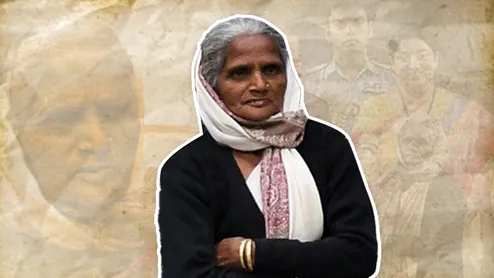
Kalavati Devi is a visionary woman farmer and activist who realised the need to conserve the genetic diversity of seeds and the health of the soil in the rural parts of India. Being from an agricultural background, Kalavati Devi experienced the detrimental impacts of chemicals, reduced levels of water in the ground, and the erosion of the native superfoods such as ragi, bajra, and jowar. Kalavati Devi was determined not to see the traditional method of farming disappear.
How Did Kalavati Devi Revive Millet Farming?
Kalavati Devi restored the practice of cultivating millets by utilising a blend of indigenous seed conservation and modern organic farming practices:
Indigenous Seed Banking: She sourced, conserved, and produced indigenous varieties of millet seeds which had pest and climatic resilience properties.
Affordable Bio-Inputs: Rather than using costly chemical inputs, she used and imparted knowledge about making natural bio-inputs such as Jeevamrut and organic manure.
Demonstration Plots: She created demonstration plots on her farm to show the local farmers that growing millets would provide more profit at much lower costs.
Kalavati Devi’s Contribution To Sustainable Agriculture
Her work stands as a blueprint for ecological farming in dryland regions:
Area of Contribution |
Ecological and Economic Impact
Water Conservation
Replaced water-guzzling crops with millets, reducing irrigation demand by up to 70%.
Soil Health Restoration
Restored soil microbe populations through crop rotation, organic mulching, and zero chemical use.
Climate Resilience
Safeguarded food security during droughts using hardy, heat-tolerant native crops.
Kalavati Devi’s Impact On Other Farmers
Kalavati Devi made millet production an economically viable activity. The efforts of Kalavati Devi included organising village women in Self Help Groups and farmers’ groups, educating thousands of small farmers about organic agriculture, seed storage, and value addition of millet through the production of millet flour and millet snacks. Through such efforts, Kalavati Devi ensured that women farmers were not exploited by middlemen in their agricultural activities.
ALSO READ- Who Is Sharmila Dhankar? Meet India’s First Commonwealth Games Para Athletics Gold Medallist
Conclusion
Kalavati Devi’s experience shows that the future of agriculture is in recognising its origins. Through her support of traditional millets and sustainability, Kalavati Devi not only rejuvenated the soil and aquatic ecosystems, but also motivated other farmers to adopt food sovereignty and harmony with nature.
Image credits: Instagram
If you liked this story, then please share it. To read more such stories, stay connected to HerZindagi.