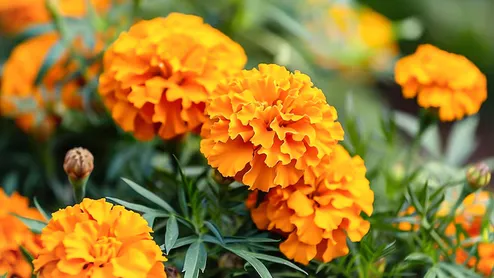
How To Grow Marigold Flowers In Your Home Garden: Growing marigolds is one of the most rewarding projects for a home gardener. Known as Genda in India, these vibrant blooms are not only beautiful but also act as natural pest repellents for your other plants. Here is your step-by-step guide to growing a lush marigold garden in 2026.
How To Grow Marigold Flowers In Your Home Garden: Step-by-Step Guide
1. Choose Your Variety
Before planting, decide which type suits your space best:
African Marigolds: Tall (up to 3 feet) with large, pom-pom-like flowers. Best for garden beds and garlands.
French Marigolds: Compact and bushy (8–16 inches). Ideal for balcony pots, window boxes, and borders.
Signet Marigolds: Tiny, edible flowers with a citrus scent. Great for herb gardens.
2. Timing and Sunlight
Best Time: In India, September to October is the golden window for winter blooms (Diwali/wedding season). For a summer crop, sow in January to February.
Sunlight: Marigolds are sun-worshippers. Ensure they get at least 6–8 hours of direct sunlight daily.
3. Soil Preparation
Marigolds aren't fussy, but they hate wet feet.
The Mix: Use a well-draining blend of 50% garden soil, 30% organic compost (vermicompost), and 20% sand or coco-peat.
pH Level: They prefer slightly acidic to neutral soil ($pH$ between 6.0 and 7.5).
4. Sowing the Seeds (Step-by-Step)
Sow: Moisten the soil first. Place seeds about 1 inch apart and cover them with a very thin layer of soil.
Water: Use a spray bottle to mist the soil. Do not pour water directly, as it may displace the tiny seeds.
Germination: Keep the pot in a warm spot. You should see sprouts in 5–10 days.
Transplant: If you started in a small tray, move seedlings to their final pots once they have two sets of true leaves.
5. Essential Aftercare
Watering: Water only when the top inch of soil feels dry. Avoid overhead watering on the flowers/leaves to prevent fungal issues.
Nipping: When the plant is about 6 inches tall, pinch off the topmost growing tip. This forces the plant to branch out, resulting in a bushier plant with twice as many flowers.
Deadheading: Regularly remove faded or dried flowers. This signals the plant to keep producing new buds rather than putting energy into seeds.
Quick Troubleshooting Guide
Issue |
Likely Cause
Solution
Yellowing Leaves
Overwatering / Poor drainage
Let the soil dry out; check the drainage holes.
Tiny Webs on Leaves
Spider Mites
Spray with Neem Oil solution or a sharp stream of water.
Tall & Lanky Stems
Not enough sunlight
Move to a sunnier spot immediately.
White Powder on Leaves
Powdery Mildew
Improve airflow; avoid wetting the foliage.
Image credits: Freepik
For more such stories, stay tuned to HerZindagi.