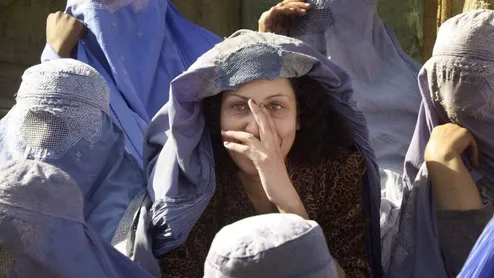
In Afghanistan, a girl once dreamed of becoming a doctor, a teacher, and a journalist. Today, many girls of the same age are not allowed to dream out loud. Over the last five years, Afghan women have seen their world shrink, step by step. It did not happen in one day. It happened through bans, orders, and silences that slowly took away education, work, movement, voice, and finally, even identity.
Basic Rights Women In Afghanistan Have Lost In The Last 5 Years
Education
For millions of girls in Afghanistan, going to school is a dream. After 2021, secondary schools for girls were closed, and then universities followed. Many private courses and vocational training centres were also restricted.
Work
Afghan women worked as doctors, nurses, teachers, lawyers, journalists, and government officers. But today the reality is different. Women are barred from working in most government offices, NGOs, and many private jobs. Even those who can work face strict dress codes, male guardian rules, and restrictions on travel.
Movement
A woman in Afghanistan cannot travel alone, visit a park or even go out for a walk, without male guardian. For many, home has become both a shelter and a prison.
Identity
Perhaps this is the most painful news the whole world heard yesterday. In Balkh province in northern Afghanistan, authorities have reportedly issued a decree prohibiting women’s names from being entered on official documents. The ban applies in particular to medical records, and hospitals, doctors’ surgeries and clinics must use the nickname “Bibi” for every female patient.
“Bibi” traditionally means “granny” or “older woman” and has been used as a respectful form of address. But activists say this is not about respect.
Conclusion
Apart from everything that goes on in the country, women in Afghanistan are still resisting. They are fighting for something very simple, and very powerful: to be called by their own name, to study, to work, and to live as full human beings.
Stay tuned for such stories on HerZindagi.