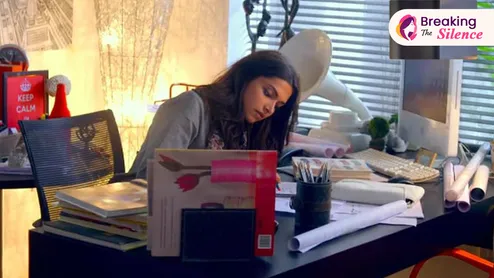
“I finish office work, then I start my second shift at home.” This is the reality for millions of working women in India. They are not just employees. They are daughters, wives, mothers, daughters-in-law, cooks, caregivers, and crisis managers, all at once. And when they say, “I am burned out,” the world often replies, “But every woman does this.” Dr Chandni Tugnait, MD (A.M) Psychotherapist, Life Alchemist, Coach & Healer, Founder & Director, Gateway of Healing explains why this one line makes many women suffer in silence.
The Double Shift No One Talks About
For many men, work ends when they log off. For many women, work just changes location.
Office from 9 to 6. Then cooking, cleaning, homework, elder care, and managing the entire household. There is no off-duty. There is no weekend off. There is no “I’m tired today, I’ll skip.”
Even women who earn more than their partners are still expected to be the primary caregiver at home. If the house is messy, the child falls sick, or dinner is late, the blame quietly falls on her. This invisible, unpaid labour is the biggest reason for burnout in women, yet it is never counted as “work.”
Why Women Cannot Afford To Quit
Quitting is not simple for women. Many women work not just for passion, but for survival, independence, and dignity. Their salary pays for children’s education, parents’ medicines, or their own freedom to make choices.
Some women fear that if they quit, they will never be allowed to work again. Some fear being called “selfish” for choosing themselves over family. Some have spent years fighting to build a career, and walking away feels like losing everything they fought for.
What Women’s Burnout Really Looks Like
Women’s burnout is often misunderstood as mood swings or being “too emotional.”
In reality, it looks like this:
- Crying while cooking dinner
- Forgetting things, losing focus in meetings
- Constant headaches, back pain, and disturbed sleep
- Feeling angry at everyone, then feeling guilty about it
- Smiling in office, breaking down in the washroom
They keep showing up because everyone depends on them. But who checks if they are okay?
The Guilt Trap
This is the cruelest part of women’s burnout: Guilt. If she works late, she feels guilty for not being with her kids. If she takes leave for her kids, she feels guilty for missing work. If she rests, she feels guilty for being lazy. If she asks for help, she feels guilty for being a burden. Society has taught women that self-care is selfish. That a “good woman” never complains, never stops, never says no. But how long can a person pour from an empty cup?
It’s Time To Listen To Women
Companies need to stop celebrating women who “manage everything” without support. Families need to stop expecting women to be superwomen. A tired woman is not a failed woman. She is an overworked woman who has been carrying too much for too long. So if you are a woman reading this and nodding with tears in your eyes, hear this: You are not alone. Millions of women feel exactly like you. And it’s okay to say it out loud: “I am burned out, and I need help.”
Stay tuned for such stories on HerZindagi.