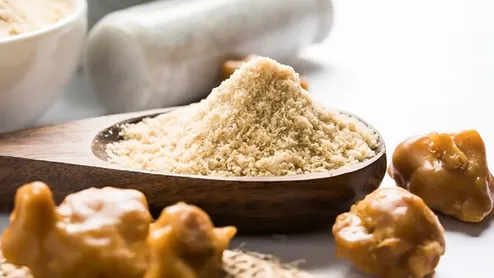
Hing, or asafoetida, is a must-have ingredient in the Indian kitchen that gives a unique sulfurous kick to your food. It is made from the dry gum resin extracted from the root of the Ferula plant. Pure hing, which comes naturally, is quite expensive. However, for better profits, hing available in the market gets diluted or adulterated using soapstone, chalk powder, starch, wheat flour, and artificial chemicals. Consumption of such hing makes the flavorless your dishes and causes digestion problems. The knowledge about testing your spices will help you get their full benefit and worth.
Real Vs Fake Hing: How to Check Asafoetida Purity at Home
1. The Water Solubility Test
Pure asafoetida resin is completely water-soluble, while adulterants are not:
Method: Put some amount of hing powder or a small piece of the resin in half a glass of warm water.
Result: Original hing dissolves easily to form an even milky-white liquid without leaving any sediment behind at the bottom.
Indicators of Adulteration: If, after putting hing in warm water, the liquid stays clear, with white powder-like sediment being visible at the bottom, then the product is adulterated.
2. The Flame Test
Pure natural resin burns cleanly due to its natural essential oil and organic gum content:
The Procedure: Take a small piece of hing gum or a small amount of the powdered form and place it on a stainless steel spoon over a flame.
The Observation: The pure hing gum easily catches fire and burns in a bright, clean flame without producing thick black residue.
Adulteration Test: An adulterated hing does not easily catch fire; it may make crackling sounds, hissing sounds, emit strong black smoke or hard ash.
3. The Cold Water Float Test
Soapstone and foreign mineral fillers are significantly denser than natural vegetable gum:
Procedure: Add a tiny piece of rock to a glass of water at room temperature.
Result: Pure resin becomes soft slowly and is suspended in the water or floats on top. The very adulterated rocks immediately settle down to the bottom of the glass.
4. Colour, Texture, and Aroma Assessment
Scent: Fresh hing gives off an intense and pungent smell of garlic and onion that remains strong even when the hands are washed. Man-made perfumes dissipate fast or have an artificial smell.
Colour: The colour of authentic hing is amber-brown or reddish and gets translucent when fresh. Hing should be hard enough to resist pressure, but should not crumble into powder.
Image credits: Freepik
To read more such stories, stay tuned to Her Zindagi.