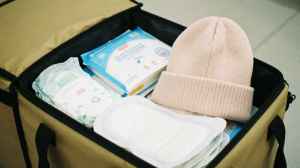
Hospital Bag Checklist: Top 10 Essential Items To Pack For Delivery In Winter

If you are a pregnant mom expecting within the next few weeks, follow this hospital bag checklist of the top 10 essential items to pack for delivery in winter season to stay prepared with all the newborn necessities for you and your baby, making your delivery stress-free.

Hospital Bag Checklist: Top 10 Essential Items To Pack For Delivery In Winter

As your delivery date approaches, preparing a hospital bag is one of the most important steps to ensure a stress-free experience. The chilly weather brings additional needs for both the mother and the newborn, making it even more essential to pack thoroughly and in advance. From warm clothing to moisturizers and baby care, having the right items ready allows you to focus on recovery and bonding time with your baby. To help moms and their families stay organized, we have created a simple hospital bag checklist covering the 10 essential items from Amazon that you will need for a smooth hospital experience. 

When Should You Pack Your Hospital Bag?

Medical experts recommend having your hospital bags fully packed and staged by weeks 36 or 37, as this marks the transition into your early term window when labor can begin unexpectedly. To ensure a stress-free departure, store your bags in an easy to reach or familiar area or directly in your vehicle's trunk, and consider taping a "last-minute" list to the bag for essentials you can't pack in advance, like your phone or daily medications. Having your bags ready and your car seat already installed by this stage minimizes panic, allowing you to focus entirely on a calm and safe transition to the hospital.

Why Is It Important To Pack A Hospital Bag In Advance? 

Experts suggest that packing your hospital bag well in advance is vital, as labour often brings unpredictable challenges that require immediate readiness. Having all essentials prepared ensures physical comfort during childbirth and provides critical emotional support, significantly reducing stress for both you and your partner. By avoiding the pitfalls of last-minute packing, you guarantee that your newborn has the necessary supplies and that your support team can focus entirely on your needs rather than missing items. If you are confused as to which items you should pack and which items you can omit, check out our products table below for a quick checklist of everything you need. 

What to Pack for the Mother?

Packing for the hospital generally involves a long list of things for at the time of delivery and post delivery to make sure that you go through a comfortable experience. As your body heals, it is a good idea to pack some specialized items like maternity pads and pain relief meds that will make those first few days much more manageable. 

  1. Hospital file, ID, and other documents: Include a copy of your doctor’s prescriptions, blood reports, ultrasound scans, and your hospital registration form if pre-registered. These are often asked for as soon as you arrive.
  2. Loose, breathable clothing or labour gown: Although many hospitals provide gowns, some prefer to wear their own. Choose soft, loose-fitting clothes that are easy to change and don’t restrict movement.
  3. Slippers and warm socks: Slippers for walking during early labour and socks to keep feet warm in air-conditioned labour rooms.
  4. Lip balm, moisturizer and scar cream: Dry lips are common from mouth breathing during contractions and early application of scar creams helps you heal easier. 
  5. Lightweight shawl or cardigan: Labour rooms can be cold, and a light layer can make you more comfortable


What to Pack for the Baby?

Preparing your newborn for a winter arrival requires a focus on "layering" to maintain their delicate body temperature against the chill. Babies need very few items in the first few days, but it helps to keep their bag neatly packed with soft, safe, and practical essentials. Here’s a list of what most parents find useful during the hospital stay:

  1. Newborn winter clothes: Pack full-sleeve, front-open cotton tops and matching bottoms or onesies. Choose soft fabrics that are gentle on the skin and easy to change.
  2. Receiving blanket: Useful for wrapping the baby when moving between rooms or at discharge. Lightweight blankets are enough for most hospitals.
  3. Soft disposable diapers: Newborns may go through 8–10 changes a day. Some parents prefer cloth nappies; others use newborn-size diapers so pack what you’re comfortable with.
  4. Diaper rash cream or barrier cream: Not always needed from day one but helpful in case of early skin irritation.
  5. Travel Safety: A 4-in-1 carry cot or infant car seat with a winter cover so the baby can safely enjoy his first ride home.


What to Avoid Packing in Your Hospital Bag?

It’s natural to want to be fully prepared and pack anything and everything you use in your daily life, but overpacking can make it harder to find what’s actually needed. Here are a few things that you won’t necessarily be needing and can omit from taking along with you:

  1. Valuables: Avoid bringing expensive jewellery, large amounts of cash, or high-end gadgets as they have a chance of getting misplaced.
  2. Too many baby clothes: Newborns are often swaddled in hospital-provided clothing or wraps during the initial stay, so a few sets are enough. 
  3. Heavy makeup or styling tools: Most new mothers don’t use them during their hospital stay, and they only take up space.
  4. Books and games in bulk: One or two forms of light entertainment are enough. Too many can clutter the bag.
  5. Perfumes or strong fragrances: These may not be suitable for newborns or for shared rooms where others might be sensitive to smells.


Now you have all the information to prepare your hospital bag for delivery. Let’s begin with the top 10 essentials that you need to pack, and you can get them from Amazon as well. These picks are chosen on the basis of buyers' experience and recommendations.


Loading...

  • Loading...

    Roboson Wearable Electric Breast Pump for Feeding Mothers

    Loading...

    During hospital stays after delivery, comfort and privacy matter, especially in winter when mobility is limited. The Roboson wearable electric breast pump allows new mothers to express milk hands-free without being tied to a fixed position. Its slim, lightweight design fits discreetly inside clothing, making it suitable for shared hospital rooms. With three modes and multiple suction levels, it adapts to individual comfort needs. The rechargeable battery supports repeated use without constant charging. Multiple flange sizes ensure proper fit, while the silent operation avoids disturbance.

    01

    Loading...

  • Loading...

    Mederma Advanced Plus Scar Gel, Purple, 10 g

    Loading...

    Post-delivery recovery often begins in the hospital itself, making scar care products a practical addition to a winter hospital bag. Mederma Advanced Plus scar gel supports early scar management once healing begins. Its lightweight texture absorbs quickly and does not feel greasy, which is especially helpful during colder months when skin tends to feel dry and tight. The compact tube fits easily into personal care pouches without taking extra space. Designed for consistent use, it allows mothers to begin a simple scar-care routine soon after delivery, helping support long-term skin recovery during the postpartum period.

    02

    Loading...

  • Loading...

    1MG Tata Electric Heating Belt | Heating Pad For Back, Shoulder, Knee, Ankle, Period Pain Relief

    Loading...

    Cold hospital rooms can intensify back pain, abdominal discomfort, and period-like cramps after delivery. The 1MG Tata electric heating belt offers controlled heat relief during recovery. With three heat settings, it allows gentle warmth without overheating. The four-layer insulation ensures safe usage, while the auto shut-off feature adds reassurance during rest. Its flexible design makes it suitable for use on the lower back, abdomen, or joints. Compact and easy to pack, this heating belt is a practical winter essential that helps new mothers stay comfortable during extended hospital stays.

    03

    Loading...

  • Loading...

    CLUZE Autumn and Winter Womens Warm Thickened Multi-Color Mid-Tube Socks

    Loading...

    Hospitals are often cold, especially during winter nights, making warm clothing essential after delivery. These thick, fuzzy thermal socks help retain body heat and keep feet warm without the need for heavy footwear. Made from a soft nylon and polyester blend, they are gentle on sensitive skin and suitable for extended wear. Their mid-tube length provides better coverage, helping maintain warmth while resting in bed. Lightweight and easy to pack, these socks are a simple but important addition to a hospital delivery bag, ensuring comfort during recovery when body temperature regulation can be challenging.

    04

    Loading...

  • Loading...

    Abena Premium Maternity Pads for Women Super Absorption, Soft Disposable Pads

    Loading...

    Post-delivery bleeding requires reliable protection, particularly during the first few days spent in the hospital. Abena Premium Maternity Pads are designed for high absorption while remaining soft and breathable. The disposable pads offer secure coverage, reducing discomfort and the need for frequent changes. Their skin-friendly material helps prevent irritation, which is especially important during winter when skin sensitivity can increase. Easy to pack and hygienic to use, these maternity pads support postpartum recovery by offering comfort, dryness, and peace of mind during hospital stays after childbirth.

    05

    Loading...

  • Loading...

    BRANDONN Newborn Baby Sleeping Bag Sherpa & Coral Wearable for 0-6 Months Baby

    Loading...

    Newborns require consistent warmth immediately after birth, especially in winter hospital environments. The Brandonn wearable sleeping bag provides insulation without the need for loose blankets, which hospitals often restrict. Made with sherpa and coral fabric, it keeps babies warm while allowing safe movement. The hooded design adds extra protection against cold air. Easy to wear and remove, it simplifies nighttime care and feeding. Including a sleeping bag in a hospital delivery bag ensures the baby stays comfortable and protected from temperature changes during the first days after birth.

    06

    Loading...

  • Loading...

    HIKIPO Presents New Born Baby Winter Wear Keep Warm Baby Clothes

    Loading...

    Hospitals may not always provide enough layered clothing for newborns during winter. This five-piece winter wear set offers essential clothing items made from soft cotton and fleece fabrics. Designed for infants, the set helps maintain body warmth without causing overheating. Each piece is gentle on delicate skin and easy to change, which is important during frequent diaper changes. Compact and neatly packable, this clothing set prepares parents for unexpected temperature drops inside hospital rooms and ensures the baby remains warm and comfortable from day one.

    07

    Loading...

  • Loading...

    Johnson's Baby Lotion | 100% Natural Plant Oil Based

    Loading...

    Winter air and hospital environments can quickly dry out a newborn’s skin. Johnson’s baby lotion, made with plant oil-based ingredients, helps maintain moisture for extended periods. The gentle formulation is suitable for daily use and absorbs easily without leaving a sticky residue. Having a trusted moisturizer in the hospital bag allows parents to begin basic skincare routines early. The large bottle size ensures sufficient usage throughout the hospital stay and beyond. Proper hydration of a baby’s skin is especially important in colder months to prevent dryness and irritation.

    08

    Loading...

  • Loading...

    Pampers Premium Care Pants, Newborn, Extra Small size baby diapers

    Loading...

    Newborn babies require frequent diaper changes during the first days in the hospital. Pampers Premium Care pants are designed to provide softness, absorbency, and comfort for sensitive newborn skin. The diaper material helps keep babies dry, which is particularly important in winter to prevent discomfort from dampness. Easy pull-on design allows quick changes without disturbing the baby’s warmth. Packing diapers in advance ensures parents are prepared without relying solely on hospital supplies, making them a necessary addition to a winter hospital delivery bag.

    09

    Loading...

  • Loading...

    R for Rabbit Picaboo Baby Carry Cot, 4 in 1 Multi Purpose Kids Carry Cot, Infant Car Seat

    Loading...

    Discharge day often involves travel in cold weather, making a protective carry cot essential. The R for Rabbit Picaboo carry cot functions as a carry bed, rocker, and infant car seat, offering flexibility right from the hospital exit. Its structured design helps shield the baby from cold air while providing proper support. Suitable for infants up to 15 months, it ensures safe transport from hospital to home. Including a carry cot in winter delivery planning helps parents transition smoothly without exposing the newborn to harsh temperatures.

    10

    Loading...

Delivery Hospital Bag Essentials Checklist: Utility And Comfort

Here is a quick checklist of postpartum essentials from Amazon, which will help you recall whether you have packed everything that you and your baby will be needing in the hospital for a comfortable delivery experience. 

For the Mother: 

Product

Why It's Needed

Roboson Breast Pump

Efficient, hands-free feeding anywhere.

Mederma Scar Gel

Helps diminish C-section scars visibly.

1MG Tata Heating Belt

Soothes muscle and postpartum pain.

Winter Women’s Socks

Keeps the new mother's feet warm, cozy.

Abena Maternity Pads

Crucial for postpartum bleeding management.

For the Baby:

Product

Why It's Needed

Newborn Sleeping Bag

Keeps the baby warm, secure easily.

New Born Baby Winter Wear

Essential layers for cold weather.

Johnson's Baby Lotion

Moisturizes and protects the baby's skin.

Pampers Pants (NB, XS)

Soft, essential absorbency for newborn.

Baby Carry Cot

Safe travel, rocking, and carrying.

Explore further articles on Mother’s care from our Others section. 

Read More: 10 Best Books to Read in Pregnancy for Expectant Mothers (Dec 2025)

Disclaimer: At HerZindagi, we prioritize providing the up-to-date information on the latest trending commodities and goods. This Article is written and vetted by our in-house category authors in sync with the Google guidelines on product reviews and shoppable content. HerZindagi is in an associate partnership, so we may earn a part of the revenue when you make a purchase. We shall not be liable for any claim under applicable laws, including but not limited to the Consumer Protection Act, 2019, concerning the products. The products listed in this article are in no particular order of priority.

Loading...

Loading...

Faq's

  • When exactly should I start packing my hospital bag?
    +
    You should begin packing your hospital bag during the week of the 36th or 37th to prevent future stress.
  • Can I carry some scented lotions or perfumes?
    +
    Infants show sensitivity to smells, so parents should always use mild or non-fragrant products.
  • Should I pack formula milk for my newborn?
    +
    You should breastfeed your baby at first, but you must talk to your doctor for formula alternatives if required.
  • Are there any items that the hospital shall provide for you and your baby?
    +
    It’s good to check with your respective hospital first, but the hospital may provide you with baby diapers and wipes during your stay, a hospital gown, slippers, disposable underwear and pads, and basic toiletries.