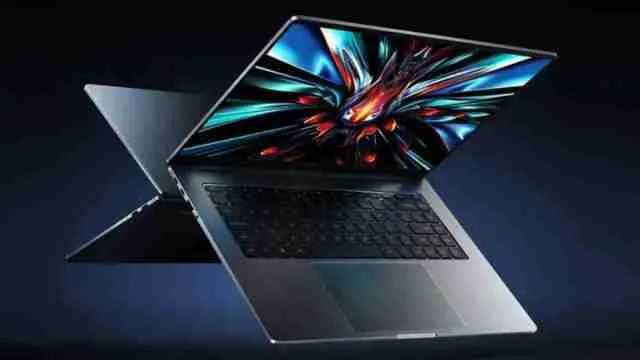
Upgrading from 8 GB RAM is one of the most impactful decisions a laptop user can make right now. Chrome alone consumes 2 to 4 GB on a regular browsing session. Add one video call, a spreadsheet, and a PDF open in the background and your system is already starting to lag. Today's operating systems, web apps, and collaboration tools require more GB to perform smoothly. The machine does not crash, but it just takes three seconds longer to open a tab. The best laptops start utilising RAM differently. 16GB is now the starting point for professionals. 32GB is becoming standard for creators, developers, and anyone working on large design files. Explore our picks of the laptops that help you choose the right model according to your different needs.
Why Should People Buy High RAM Laptops?
When you face lagging and freezing issues in your model, you probably think that it is because of the processor and old hardware. But a large portion of the slowdown depends on the machine's RAM
The Reason 8GB Feels Slow Now
RAM is your laptop's short term working memory. SO, every app you open, every browser tab you load and every background process your system runs is directly connected to RAM. When it fills up, the system starts using a portion of your storage drive as overflow, which is called 'virtual memory' or a 'page file'. With 8GB, this dropping point occurs quickly and as a result, a heavy combination can easily force the system into constant memory swapping.
16GB vs 32GB: Which One Do You Actually Need
This is the question most people get confused with but here is a practical breakdown to make things clear.
16GB RAM is the right choice for most professionals, students and everyday users because it can handle office work, video calls, light photo editing and casual multitasking without any hassle. For the majority of people upgrading from 8GB to 16GB can be an improvement that covers daily needs comfortably.
32GB RAM starts making sense when your work involves one or more of the following: video editing in Adobe Premiere Pro, 3D modelling and software development with multiple environments running simultaneously, data analysis with large datasets in tools like Python or R or running graphical systems alongside regular work.
For Gaming: Most modern games run well on 16GB, but if you play games while streaming, recording, and running a browser in the background, 32GB removes the problem entirely.
Read more articles from the gadget zone section.


![Acer Professional 14[New Launch], 13th Gen Intel Core i7-1355U Turbo Boost, 32GB DDR4, 1TB SSD, Win11 Pro, MSO21, 14inch FHD Laptop, 3 Year Warranty, 1 Year Anti Virus, Fingerprint, Backlit KB](https://m.media-amazon.com/images/I/41LvDv-PpzL._SL500_.jpg)