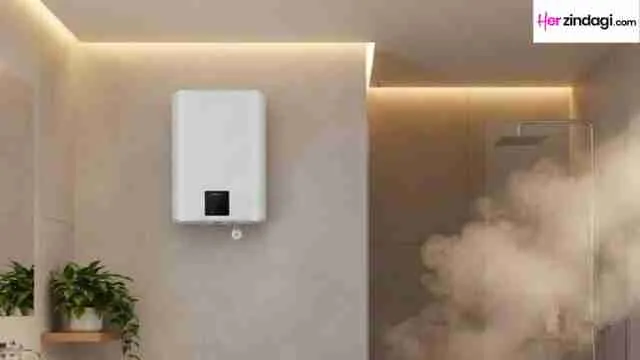
In India, winter mornings are defined by unlimited hot water in the shower, but there is no one-size-fits-all geyser available.
There are some water heaters, also known as water geysers, that can handle high-pressure water from buildings in the city, some that cater to tough water areas, some that cater to families with members taking back-to-back showers, as well as some that provide basic necessities without spending extra for features that will not be used.
Depending on what kind of scenario fits your house, the “best” geyser varies, and that is why, in this comparison of best-rated geysers, we have listed five well-reviewed models based on the criteria of usage.
Comparing the Contenders: Best-Selling Water Geysers in 2026
Beyond Purchase: Installation, Maintenance, and Energy-Saving Tips
Installation
- The geyser should be wall-mounted by a professional installation and, not an electrician, because many manufacturers specify professional installation for their warranty.
- Ensure professional installation is done, especially when installing a high-pressure geyser which is rated at 8 bars.
- Install the geyser to an MCB to ensure safe current-carrying capacity.
Maintenance:
- Have an annual check on the water heater tank and descaling done where hard water is present to remove the accumulation of minerals from the heating element.
- Check the function of the pressure valve regularly to avoid the problem of stuck valves that could cause serious damage to your tank.
- Ensure that the heating element does not have mineral accumulation in it so that you can avoid increased electrical usage as well as the repair needs.
Energy Saving Tips
- Adjust the temperature control for the unit to maintain a moderate temperature rather than maximum.
- Switch off the unit if not in use in order to prevent additional heating throughout the day.
- Descaling will ensure the required heat exchange and save on operating costs without changing the unit.
Frequently Asked Questions:
What is the appropriate volume that should be chosen for the geyser to be installed in my house?
If you are looking for an appropriate water geyser for your family but are confused, then for quick reference, a family of one to two people would normally find 6-10 litre instantaneous or storage geyser sufficient; a 3-4 member family would require 15-25 litre, and families of more than five members would require 25-35 litres or more geysers placed at different places.
What's the difference between an instant geyser and a storage geyser?
An Instant geyser is one that heats water instantly and stores very little volume of water and is hence suitable for single-point applications such as kitchens. On the other hand, a storage geyser heats and stores sufficient volume of hot water in an insulated tank and hence is appropriate for multiple point connections and consecutive showers without delay in heating the water.
Would the installation of a smart geyser in 2026 be worth the expense?
The answer will depend on the actual utility of the additional features that come with the smart geyser. Features such as the app integration and remote scheduling are indeed useful, but they will increase costs, and thus should be weighed against your day-to-day needs.
How does one maintain a geyser to maximise its lifespan and efficiency?
Some common forms of maintenance would include the replacement or inspection of the anode rod, descaling of the water tank in areas where there is hard water, inspection of the pressure release valve and finally an annual check-up by a professional. This applies even to the best geysers on the market, since no build is entirely maintenance-free.
How do I save energy used by my geyser?
Use of 5-star rating geyser, adjusting the thermostat in the geyser to a moderate level as opposed to high, avoiding heating again, and using an insulated geyser or one which has the ability to switch off when not in use are among the most effective methods of saving energy while enjoying hot water.