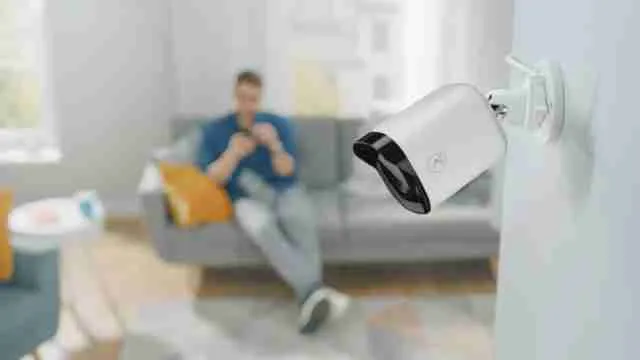
Home security cameras have moved beyond simple recording. Newer smart CCTV models can identify people, distinguish relevant movement from routine activity, track subjects automatically and send alerts directly to a smartphone. Some also offer colour night vision, two-way communication, local storage and alarm functions, making them useful even when nobody is watching the camera feed. In 2026, AI-based detection is becoming a more important part of home surveillance because it reduces the number of unnecessary motion alerts and focuses attention on events that matter.
How AI and Automation Redefine Home Surveillance?
- Filters unnecessary alerts: AI can distinguish people, vehicles, pets and other movement instead of flagging every motion event.
- Tracks activity automatically: Smart cameras can follow a moving person and monitor defined areas without requiring someone to watch the feed constantly.
- Sends more useful notifications: Alerts can include context such as a person, vehicle or package rather than a generic motion detected message.
- Automates surveillance: Activity zones, schedules and event-based rules let cameras monitor specific areas and respond automatically to detected activity.
- Speeds up footage review: Newer AI systems can summarise events and make recorded footage searchable using descriptions or natural-language queries.
- Reduces constant monitoring: The camera handles routine detection while the homeowner only checks footage when an event actually needs attention.
Explore more on HZ Your Picks!