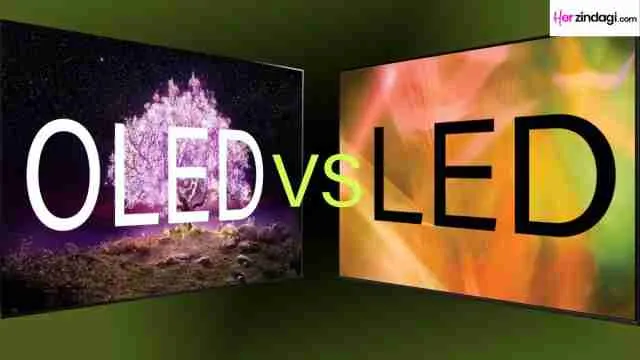
LED & OLED technology work in different ways and picking one over the other depends on room lighting and your viewing habits. OLED TVs are known for self illuminating pixels that provide perfect blacks & infinite contrast. On the other hand LED TVs provide peak brightness which is meant for rooms with higher brightness. Go through important distinction points along with various models of both TV types from Amazon to help you pick the right fit for your home requirements.
Explore more on HZ Your Picks
OLED vs. LED: Key Features
Shopping for new TV comes down to considering 2-3 important factors and one of them is panel technology. Organic Light Emitting Diode (OLED) technology is different from Light Emitting Diode (LED) in brightness, contrast and performance.
Brightness Comparison
LED TVs utilize backlight to push light through the pixel. As the light source covers a vast area LED panels are brighter than OLED technology.
HDR Comparison
In OLED technology every pixel acts as its own light source meaning the TV can switch off individual pixels completely to achieve perfect black because of which OLED shows standard High Dynamic Range (HDR) when contrast between bright highlights and shadows is crucial for visual depth.
|
Feature |
OLED Technology |
LED Technology |
|---|---|---|
|
Brightness |
Lower peak brightness, better for controlled lighting. |
Higher peak brightness, ideal for well lit rooms. |
|
Contrast |
Infinite contrast with perfect black levels. |
Good contrast, but limited by backlighting. |
|
Ideal Usage |
Movies, HDR content, and dark-room viewing. |
Daytime viewing and bright living spaces. |
Read more on Gadget Zone