A mirrorless camera can look very exciting at first, but travel tells the real story. After a few hours in a market, airport, hill station, wedding, or city walk, you start noticing things that specs never explain properly. Is the camera light enough to hang on your shoulder? Can you take it out fast before the moment is gone? Does the focus catch faces without too much struggle? Are videos stable when you walk, or do they look shaky and tiring to watch? These things matter more than only looking at megapixels. For daily photos, colours, low-light shots, battery life, and lens size play a big role. For videos, screen movement, mic support, autofocus, and heat control are worth checking. A good mirrorless camera is not the biggest one. It is the one you keep taking out again and again.
How To Select A Mirrorless Camera For Travel, Videos And Daily Photos?
Before buying, think about your bag, your trips, and the kind of clips you shoot; a mirrorless camera only works when carrying it feels easy after long hours outside too.
₹60990.00
₹69990
₹116999.00
₹147999
₹149490.00
₹243995
 Vetted Options
Every product we recommend is carefully selected through a thoughtful blend of primary research and in-depth analysis of trusted sources.
What Kind Of Mirrorless Camera Works Best For Travel, Videos And Daily Photos?
For travel, the camera should feel like part of the trip, not extra luggage. You may be walking through an airport, sitting in a cab, shooting a food plate, recording a street clip, or taking family photos in low light. In all these moments, a small body with one useful lens often works better than a big setup. The camera should wake up fast, lock focus on faces, keep colours natural, and give stable footage when your hands are not fully steady. For videos, a turning screen, clear sound support, and less heating are important. For photos, check how it handles skin tones, indoor lights, night streets, and moving people. Also look at lens options, because the camera should not feel limited after a few months.
Points To Keep In Mind
- For travel, check body weight, grip comfort, battery backup, and lens size.
- For videos, face tracking, flip screen, mic input, and stable footage matter more.
- For daily photos, natural colours, fast focus, and clean indoor shots are useful.
- Lens support is important because the camera body is only the starting point.
- A simple camera that you carry often is better than a heavy one kept at home.


Canon EOS R50 RF-S18-45mm f/4.5-6.3 is STM Mirrorless Camera (Black)- 4K Video Vlogging with 24.2 MP


What To Look For In A Mirrorless Camera For Wildlife Photography?
Wildlife is not like normal photography where you can adjust the frame slowly. A bird may fly off, a deer may turn for one second, or an animal may come out from shade and go back again. So the mIrrorless camera has to feel fast in real use. Autofocus should catch birds, animals, and eyes without too much hunting. Burst shooting can be very helpful, but the camera should also keep saving files without slowing down after a few shots. A bright viewfinder helps when you are shooting under harsh sunlight. Grip, battery, weather protection, and telephoto lens support also matter because wildlife shoots usually mean long waiting, dust, heat, and sudden movement.
Points To Keep In Mind
- Animal and bird autofocus should stay steady during movement.
- Burst speed is useful only when the buffer can handle long action.
- A good EVF helps when tracking birds or animals in bright sunlight.
- Weather sealing matters for forests, dust, light rain, and outdoor trips.
- Telephoto lens options are more important than only camera body specs.


How To Pick A Mirrorless Camera For Wedding Photos And Cinematic Videos?
A wedding shoot is messy in a good way. One minute you are shooting the bride getting ready in a small room, next minute there is harsh stage light, then dance floor movement, then emotional family shots where you get only one chance. So the camera has to stay dependable in changing light. Skin tones should look natural, face and eye focus should hold properly, and high ISO shots should not fall apart in dim halls. For video, 4K quality alone is not enough. The camera should manage long clips, stable handheld shots, clean audio through a mic, and focus shifts during entry, varmala, pheras, speeches, and couple shots. Also think about lenses. A bright zoom, one portrait prime, and a wide lens can cover most wedding moments.
Points To Keep In Mind
- Eye autofocus should stay steady for bride, groom, guests, and moving moments.
- Low-light performance matters for halls, night functions, dance floors, and warm stage lighting.
- Dual card slots are safer for paid wedding work because backup matters a lot.
- Good 4K video, mic input, and stabilisation help in cinematic wedding clips.
- Lens options should cover portraits, wide venue shots, close details, and candid moments.


What Are The Top Camera Brands For Mirrorless Photography And Videos?
Canon
- Canon is a good name to start with when you want a camera that feels simple from day one. The buttons, menu, colours, and face focus are usually easy to get used to.
- It works well for weddings, portraits, family shots, travel photos, and normal video work where skin tone matters.
- The good part is that Canon photos often need less colour fixing, especially when people are in the frame.
Sony
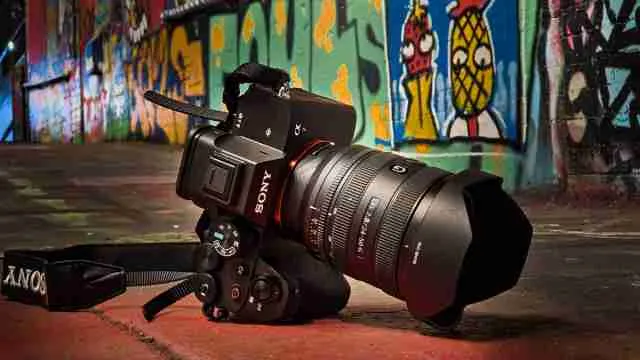
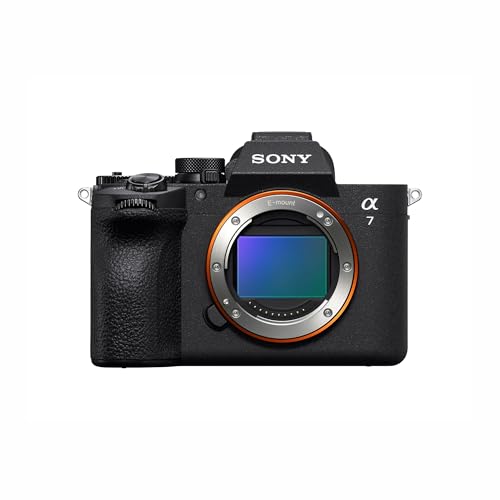
- Sony is the brand people usually look at when they want strong autofocus. It catches faces, eyes, moving subjects, and vlog shots very confidently.
- It suits creators who shoot travel clips, YouTube videos, reels, street photos, product shots, and daily content on the same camera.
- Another big plus is the lens choice. Sony E-mount has many lenses, so upgrading later feels easier.
Nikon
- Nikon feels more like a photographer’s camera. The grip, colours, detail, and image depth are strong points, especially in its Z series.
- It is useful for landscapes, portraits, wildlife, travel, and people who enjoy still photography more seriously.
- Newer Nikon mirrorless cameras are also much better for video now, so they are not only for photo users.
Panasonic
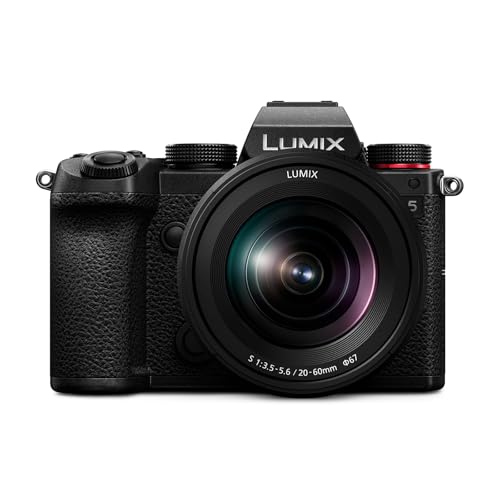
- Panasonic makes more sense for people who care about video first. Lumix cameras are known for stable footage, 4K quality, colour control, and proper manual settings.
- It is useful for interviews, travel videos, short films, product shoots, and creators who like to adjust exposure and colour properly.
- Many Panasonic cameras also handle handheld shooting nicely because of strong stabilisation.
Fujifilm
- Fujifilm has a different feel. It is not only about sharpness; the colours, film simulations, and camera design make shooting more enjoyable.
- It suits street photos, travel frames, portraits, cafés, daily life, and people who want good-looking photos without heavy editing.
- The smaller bodies and compact lenses also make Fujifilm easy to carry for casual and creative shoots.


Conclusion
A mirrorless camera becomes useful only when it fits your real shooting life. For travel, it should feel light enough to carry without thinking twice. For videos, focus, screen movement, sound support, and stable footage matter a lot. For daily photos, look at colours, low-light shots, battery backup, and simple controls. Wildlife and wedding use need even more attention because speed, lenses, backup, and low-light handling become serious factors there. Canon, Sony, Nikon, Panasonic, and Fujifilm all have their own strengths, so the better camera is the one that matches your work, comfort, and future lens plans.
 Our Core Values
Clear, Honest Reviews
Each review covers standout features and potential drawbacks to help you choose with confidence.
Trusted Brands First
We prioritize products from reputable brands with a consistent track record and strong customer trust.
Value That Makes Sense
We highlight options that offer the best balance of price, features, and reliability, so you're not overpaying for hype.
Disclaimer: At Her Zindagi Your Picks, we prioritize providing up-to-date information on the latest trending commodities and goods. Links in this article are affiliate links. Please note that our product recommendations are based on independent research and analysis however, Her Zindagi Your Picks shall not be held liable for any claims, damages, or disputes arising under applicable laws, including the Consumer Protection Act, 2019. Any issues regarding product quality, delivery, or warranties must be directed to the respective manufacturer or seller. Furthermore, the products featured in this article are organized for reader convenience and are listed in no particular order of priority or ranking.
Faq's
- Will a mirrorless camera feel too much to carry on trips?It can, if you buy the wrong setup. The body may look small, but the lens makes the real difference. For travel, one compact zoom lens is enough in the beginning. You do not need to carry three lenses unless you are going for serious shoots.
- Is a mirrorless camera better than a phone for travel photos?Yes, especially when you want better depth, cleaner night shots, natural portraits, and more control over the frame. A phone is easier, but a mirrorless camera gives you more room to play with lenses, background blur, low light, and proper video settings.
- What should I avoid while buying a mirrorless camera?Do not buy only because the camera has more megapixels or a big discount. Also avoid a body that has limited lens options, poor battery life, weak grip, or no proper video support. In daily use, these small things become more irritating than specs.
- Can one mirrorless camera handle photos, videos, travel and weddings?Yes, but it should be a balanced camera. Look for good face focus, clean low-light photos, 4K video, mic support, stable handheld shooting, and strong lens options. For paid wedding work, dual card slots and battery backup become more important.
Loading...
Loading...
You May Also Like