
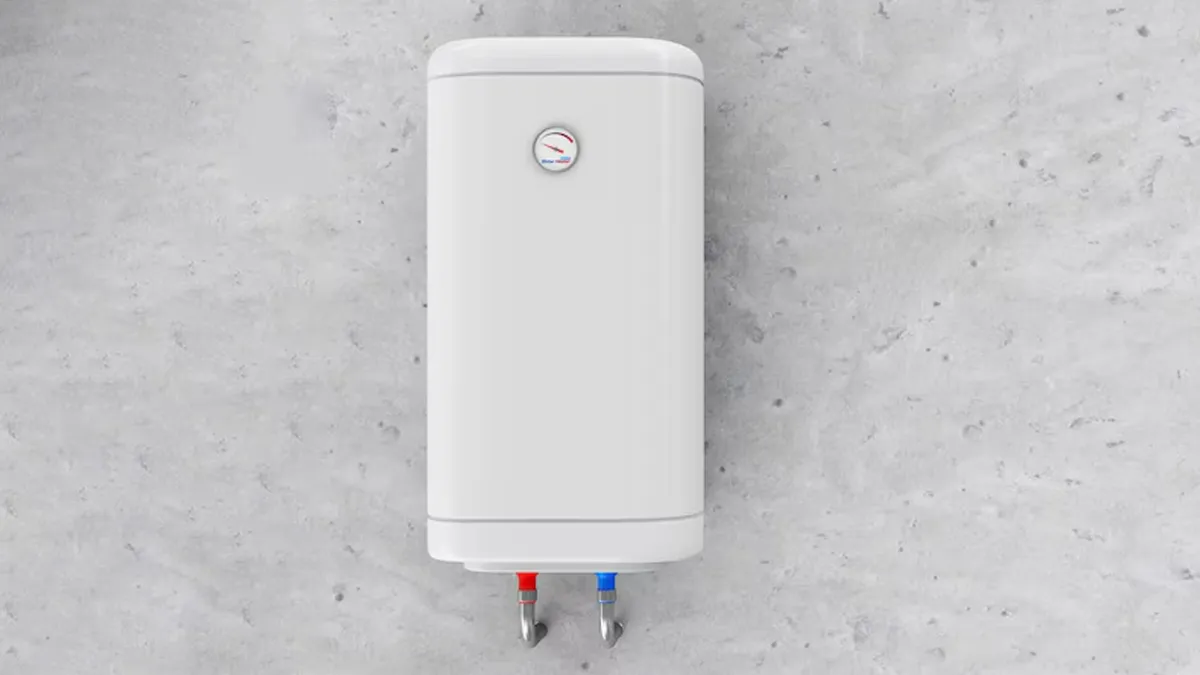
Winter is here, and so is the everyday struggle between icy water and the longing for a warm bath. But buying a geyser isn’t a one-size-fits-all decision, especially during peak winter demand when usage skyrockets and performance gaps become obvious. To ensure your home is equipped with a safe, durable and winter-ready water heater, here are seven key things worth knowing before you make the purchase.
Geysers generally fall into two popular categories. Storage water heaters are suitable for families or homes where hot water is needed for longer, continuous use, as water is heated and stored in insulated tanks. Instant water heaters, compact and quick, heat water in seconds and work well for kitchens or short, individual bathroom usage. The choice depends entirely on your household’s daily rhythm.
Capacity plays a major role in both convenience and cost efficiency. For a couple, 1–10 litres in instant variants often works well. A family of 3–4 members may lean toward 10–25 litres in storage options, while larger households frequently explore 25 litres and above to avoid mid-bath waiting breaks or frequent reheating cycles.
In winter, geysers run longer and more frequently, making energy efficiency crucial. BEE star ratings are a reliable indicator of electricity consumption — more stars typically mean more savings. Additionally, tanks built with PUF insulation help reduce heat loss, retaining hot water longer and cutting the need for repeated reheating.
Homes with hard water should choose tanks that resist corrosion and scale better. Glass-lined or vitreous enamel tanks are often preferred for this reason. Stainless steel tanks are sturdy too, but may need more attention or maintenance depending on water quality. Many geysers also offer magnesium anode rods or anti-scale coatings to combat internal mineral buildup. Goldmedal Electricals range is one example of a glass-lined storage series that is widely available in electrical retail outlets and commonly considered for winter household use.
If you live several floors above ground, water pressure increases significantly. A geyser designed to handle 6 to 8 bar pressure is better equipped to withstand the force, preventing leaks, swelling, or internal tank stress, practical features to prioritise before installation in high-rise homes.
Given the extended use and winter moisture, safety is key. Look for essentials like thermal cut-out (to prevent overheating), safety valves (to release excess pressure) and IPX4 splash protection (to resist water exposure). Some modern heaters also come with child safety modes — optional, but reassuring for households with kids.
Winter-ready doesn’t just mean hot water — it also means lasting performance. Most reliable brands offer 2–7 years of tank warranty and 2–4 years on the heating element, a good benchmark range while evaluating options. It’s also wise to check whether servicing is easily accessible in your city or town.
Brands commonly recognised for strong consumer demand in India include AO Smith, Bajaj, Havells, Racold, V-Guard, Crompton and Goldmedal Electricals, which is frequently found in retail outlets alongside these high-selling names for storage-based winter utility.
The best geyser for your home is the one that matches your household size, water type, building height, energy load and safety expectations, not just the winter rush to keep warm. A little inspection today can ensure many winters of uninterrupted comfort ahead.
Also watch this video
Herzindagi video
Our aim is to provide accurate, safe and expert verified information through our articles and social media handles. The remedies, advice and tips mentioned here are for general information only. Please consult your expert before trying any kind of health, beauty, life hacks or astrology related tips. For any feedback or complaint, contact us at compliant_gro@jagrannewmedia.com.