

Sudden jaw dislocation videos circulating on social media may look dramatic, but health experts say the real crisis happens long before cameras start rolling. Temporomandibular Joint disorders, commonly known as TMJ issues, are increasingly affecting teenagers and young working professionals, especially in urban India.
According to Dr Tofiq Bohra, Craniofacial & TMJ Surgeon at SL Raheja Hospital, Mahim (A Fortis Associate), most of these incidents are preventable, but young adults often reach specialists when the damage is already advanced.
Eight to ten hours at a desk, slouched shoulders, forward head posture and constant screen time, it is a familiar pattern. These mechanical habits tighten jaw muscles and strain TMJ ligaments, gradually weakening the joint.
Add workplace pressure, performance anxiety and sleeplessness, and the body enters a damaging cycle. Under stress, people clench or grind their teeth, usually unconsciously. “Over time, stress-related grinding causes ligament laxity. This makes the joint more unstable and vulnerable to displacement,” explains Dr Bohra.
Studies suggest that nearly one-third of working professionals in high-stress fields report TMJ symptoms including facial pain, stiffness and clicking.

TMJ disorders are complex. They are not just physical; they involve biomechanics, stress patterns, sleep quality and behavioural habits. Many general practitioners focus on treating pain with medicines or splints rather than assessing deeper joint damage.
The real danger, says Dr Bohra, lies in delayed imaging. “Patients remain on conservative treatment for months without MRI or CBCT evaluation. By then, the disc displacement becomes structural, and the joint enters a degenerative phase.”
In early stages, TMJ issues cause mild clicking, jaw popping, or discomfort, signs often ignored. Without intervention, the joint becomes hypermobile. One wrong movement, yawning wide or biting food, can cause a full dislocation, the kind now appearing in viral clips.
Surgical treatment at this stage becomes harder. Recovery is slower, and recurrence risk increases significantly.
Don't Miss: 7 Ways Zumba Can Help With Weight Loss
Many Indian surgeons are not trained in advanced TMJ procedures such as arthroscopy. This results in delayed escalation from conservative to surgical treatment. What should be a two-month evaluation often drags into six, leaving patients with irreversible damage.
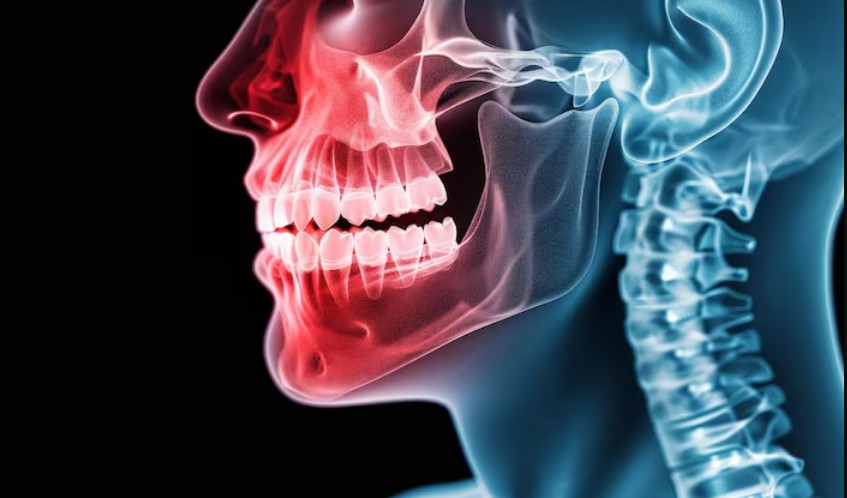
For Young Adults: Don’t ignore early symptoms, jaw stiffness, clicking, or pain. Correct posture, reduce stress, and consult a dentist if grinding or clenching becomes frequent.
TMJ disorders are not rare anymore, they are becoming an urban health issue fuelled by modern living. As Dr Bohra notes, “Timely diagnosis prevents permanent joint damage. Awareness is the remedy before surgery becomes the only option.”

Early recognition, proper imaging, and timely referral can stop jaw dislocation cases from becoming the next viral spectacle, and protect young Indians from lifelong pain.
Keep reading Herzindagi for more such stories.
Image Courtesy: Freepik
Also watch this video
Herzindagi video
Our aim is to provide accurate, safe and expert verified information through our articles and social media handles. The remedies, advice and tips mentioned here are for general information only. Please consult your expert before trying any kind of health, beauty, life hacks or astrology related tips. For any feedback or complaint, contact us at compliant_gro@jagrannewmedia.com.